Real-time AI-curated news from 99,151+ articles across 50+ sources. Sentiment analysis, importance scoring, and key takeaways — updated every 15 minutes.
CryptoBullishCoinDesk · May 117/10
⛓️Corpay has partnered with BVNK to integrate stablecoin payment rails into its treasury operations, enabling more efficient capital deployment and reducing dependence on pre-funded accounts. The integration allows Corpay to move funds across its global operations using blockchain-based stablecoins, streamlining cross-border corporate payments.
GeneralBearishBlockonomi · May 11🔥 8/10
📰Crude oil prices have surged past $100 per barrel following the Trump administration's rejection of Iran's diplomatic proposal, escalating geopolitical tensions and prolonging the closure of the Strait of Hormuz. This development threatens global energy supply chains and carries significant implications for broader macroeconomic conditions that influence cryptocurrency and financial markets.
CryptoBullishBlockonomi · May 117/10
⛓️Corpay has partnered with BVNK to integrate stablecoin infrastructure into its global payment network, adding embedded wallet capabilities and 24/7 settlement functionality. This integration expands Corpay's services to its 800,000+ client base, enabling faster cross-border transactions through blockchain technology.
AIBullishBlockonomi · May 117/10
🧠Qualcomm's stock surged to an all-time high of $247.90, gaining 42% in five days following announcements of data center chip development, US-China tariff relief, and bullish analyst upgrades. This rally reflects growing investor confidence in the company's diversification beyond smartphones into high-margin semiconductor markets.
CryptoBullishBitcoinist · May 117/10
⛓️VanEck's Matthew Sigel has joined other prominent voices in predicting Bitcoin could reach $1 million per coin, coinciding with record monthly inflows into US spot Bitcoin ETFs in 2026. The prediction reflects growing institutional adoption driven by ETF accessibility, which is fundamentally reshaping Bitcoin's market dynamics and investor base.
$BTC
DeFiBullishcrypto.news · May 117/10
💎Ondo Finance has expanded its tokenized asset infrastructure by bridging U.S. stocks and ETFs from BNB Chain to Hyperliquid's HyperEVM, enabling traders to use blue-chip equities as on-chain collateral for sophisticated trading strategies. This integration represents a significant step in making traditional securities accessible within decentralized finance ecosystems.
$BNB$ARB
CryptoNeutralBitcoin Magazine · May 117/10
⛓️The Senate Banking Committee has scheduled a markup of the CLARITY Act for May 14 after nearly a year of delays, marking a significant moment in cryptocurrency regulation. The bill faces opposition from both the banking lobby and Democratic senators, indicating contentious debate ahead over how digital assets should be classified and regulated.
$BTC
AIBullishCrypto Briefing · May 117/10
🧠OpenAI has established a $4 billion enterprise unit focused on commercializing AI capabilities for business deployment. The initiative aims to accelerate AI adoption across organizations by translating advanced AI technology into measurable business outcomes and operational improvements.
🏢 OpenAI
CryptoBullishCoinDesk · May 117/10
⛓️Solana has launched Alpenglow, a major consensus mechanism upgrade, on its community test cluster. Developed by core team Anza, this represents the most significant overhaul to Solana's consensus layer in the network's history and marks a critical testing phase before potential mainnet deployment.
$SOL
CryptoBearishThe Block · May 117/10
⛓️The American Bankers Association's CEO Rob Nichols urged bank executives to push for stricter limits on stablecoin rewards ahead of a Senate committee vote on crypto legislation. This eleventh-hour lobbying effort reflects the banking industry's efforts to shape regulatory frameworks governing digital assets and their competitive relationship with traditional banking products.
CryptoBullishDecrypt – AI · May 117/10
⛓️Ripple has secured a $200 million financing facility from Neuberger Specialty Finance to expand its institutional prime brokerage platform. The capital infusion signals growing institutional appetite for cryptocurrency trading infrastructure and strengthens Ripple's positioning in the competitive digital asset brokerage market.
$XRP
GeneralBullishFortune Crypto · May 117/10
📰The article argues that America's competitive advantage stems not from inventing individual technologies, but from developing superior systems and frameworks for innovation—from venture capital structures to startup ecosystems. This institutional innovation capacity, demonstrated through Bell Labs' telephone to modern AI startups, represents a deeper competitive moat than any single technological breakthrough.
AIBearishFortune Crypto · May 117/10
🧠A Pentagon AI transformation veteran argues that Corporate America is repeating organizational mistakes the military nearly made when implementing AI systems at scale. The expert highlights a critical gap between America's AI development capabilities and its practical deployment competency, with the nation ranking 24th globally in AI adoption despite leading in AI research.
CryptoBullishBlockonomi · May 117/10
⛓️Crypto.com has obtained a Stored Value Facility (SVF) license from the UAE Central Bank, enabling the platform to facilitate cryptocurrency payments for Dubai government fees with settlements in UAE dirhams. This regulatory milestone represents a significant step toward mainstream cryptocurrency adoption in government services within a major Middle Eastern financial hub.
CryptoBullishBlockonomi · May 117/10
⛓️MicroStrategy (MSTR) purchased 535 bitcoin for approximately $43 million, expanding its total holdings to 818,869 BTC. The company's stock surged 9.8% following the announcement, reflecting investor confidence in its aggressive bitcoin accumulation strategy.
$BTC
AIBearishCrypto Briefing · May 117/10
🧠Americans for Responsible Innovation is advocating for mandatory AI safety reviews as a requirement for government contracts. The proposal raises concerns about increased compliance costs that could create barriers to entry for smaller firms competing for federal opportunities.
CryptoBullishCoinDesk · May 117/10
⛓️Ripple has secured $200 million in funding from Neuberger Berman to expand its Ripple Prime platform, which the company acquired for $1.25 billion and has since tripled its revenue. This investment signals institutional confidence in Ripple's diversified business strategy beyond its core XRP token operations.
$XRP
DeFiBullishCrypto Briefing · May 117/10
💎Centrifuge has integrated its tokenization protocol with DeFi applications on Base, Coinbase's Layer 2 blockchain, with backing from Coinbase investment. This integration aims to enhance asset liquidity and enable cross-chain interoperability, positioning tokenization as a core DeFi primitive on an increasingly important blockchain.
CryptoBearishProtos · May 117/10
⛓️A Bitcoin developer has identified a fourfold spike in new node IP addresses appearing in ADDR messages on the Bitcoin network, raising alarms about potential sybil or eclipse attacks. This suspicious activity represents a significant anomaly in network behavior that could threaten Bitcoin's decentralization and peer discovery mechanisms.
$BTC
GeneralBearishCrypto Briefing · May 11🔥 8/10
📰The UK and France have convened 40 nations to discuss reopening the Strait of Hormuz, a critical chokepoint through which approximately 21% of global petroleum passes. The diplomatic gathering signals potential military escalation in response to regional tensions, with significant implications for global energy markets and trade routes.
GeneralBullishBlockonomi · May 117/10
📰Intel's stock surged 14% following announcements of preliminary negotiations with Apple for chip manufacturing and talks with SK Hynix. The developments signal growing confidence in Intel's foundry business expansion as it seeks to diversify revenue beyond its traditional processor manufacturing.
CryptoBullishThe Block · May 117/10
⛓️Ronin is migrating from its independent Ethereum sidechain to an OP Stack Layer 2 solution on May 12, marking a significant infrastructure shift four years after the Lazarus Group's $600M hack exposed vulnerabilities in its security model. This move represents a strategic pivot toward greater Ethereum integration and improved security standards.
$ETH$OP
CryptoBullishDecrypt · May 117/10
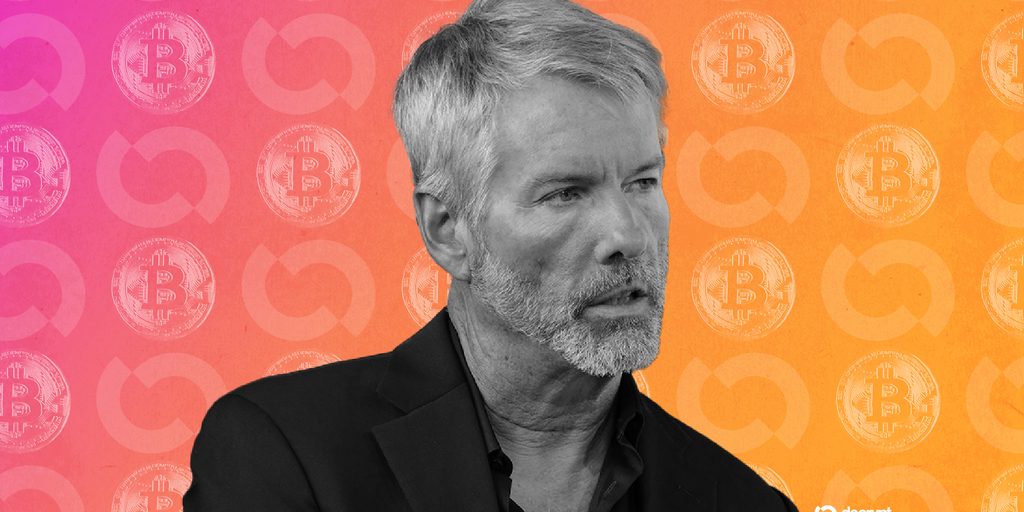
⛓️Strategy, a major Bitcoin treasury company, has resumed its accumulation strategy after a brief pause, with CEO Michael Saylor announcing a new policy to buy 30 BTC for every one sold. This aggressive stance signals confidence in Bitcoin's long-term value and reflects a shift toward a permanent hold mentality among institutional holders.
$BTC
GeneralBearishCrypto Briefing · May 11🔥 8/10
📰An escalating conflict involving Iran is disrupting global jet fuel supplies and forcing prolonged airspace closures, threatening summer travel schedules and creating economic headwinds. The geopolitical crisis poses risks to energy markets and global supply chains, with potential spillover effects on inflation and economic growth.
GeneralBearishBlockonomi · May 117/10
📰Trump's rejection of Iran's peace proposal triggered a retreat in US stock futures and pushed crude oil above $100 per barrel, while Bitcoin remained stable ahead of CPI data release. The geopolitical escalation reflects heightened tensions that typically increase volatility across traditional and crypto markets.
$BTC