Real-time AI-curated news from 91,538+ articles across 50+ sources. Sentiment analysis, importance scoring, and key takeaways — updated every 15 minutes.
GeneralNeutralCrypto Briefing · Jun 267/10
📰Israel and Lebanon have signed a US-mediated framework peace agreement, marking a significant diplomatic development in the Middle East. The deal's long-term success depends on Hezbollah's adherence to terms and sustained regional stability.
CryptoBearishCoinDesk · Jun 267/10
⛓️A former Ethereum Foundation leader has raised concerns about a potential funding gap as the Foundation reduces its direct involvement in ecosystem development. The warning highlights the need for the Ethereum community to establish alternative funding mechanisms to support critical infrastructure and projects.
$ETH
AIBullishCrypto Briefing · Jun 267/10
🧠OpenAI has appointed Prabhjeet Singh, former chief of Uber India, as managing director for India. This leadership move signals OpenAI's strategic commitment to expanding its presence in the Indian market and accelerating AI adoption across the region.
🏢 OpenAI
GeneralBearishCrypto Briefing · Jun 26🔥 8/10
📰Trump has accused Iran of breaching a ceasefire following an attack in the Strait of Hormuz, escalating geopolitical tensions in a critical global energy chokepoint. This incident threatens oil market stability and creates regulatory complications for cryptocurrency platforms operating under international sanctions frameworks.
AIBearishCrypto Briefing · Jun 267/10
🧠US technology companies are accusing Chinese competitors of using AI distillation techniques to reverse-engineer and replicate advanced chatbot models, escalating intellectual property disputes in the AI sector. The allegations have prompted unprecedented collaboration between major US tech firms and government agencies to address the threat.
CryptoBullishCrypto Briefing · Jun 267/10
⛓️FIFA is integrating blockchain technology into World Cup ticketing to manage record-breaking demand for the Portugal vs. Colombia match. This move leverages distributed ledger technology to enhance transparency and provide better market controls over the secondary ticket market, signaling major sports organizations' growing adoption of blockchain solutions.
AIBearishCrypto Briefing · Jun 267/10
🧠The US government is implementing a vetting process for companies seeking access to OpenAI's latest AI models, potentially creating delays in market entry and unequal competitive conditions. This regulatory approach reflects growing government scrutiny of advanced AI technology deployment and may impact innovation velocity across the sector.
🏢 OpenAI
AI × CryptoBullishCrypto Briefing · Jun 267/10
🤖OpenClaw's Fiu AI successfully defended against 6,000 hack attempts during a public security test, demonstrating robust resilience in autonomous AI systems. The results underscore the critical role of explicit security configuration in protecting AI systems and may inform best practices for future autonomous AI development.
AIBearishCrypto Briefing · Jun 267/10
🧠OpenAI has restricted access to its GPT-5.6 model following discussions with the Trump administration, signaling potential government intervention in AI model releases. This regulatory involvement may establish precedent for future government oversight, potentially slowing innovation timelines across the AI industry.
🏢 OpenAI🧠 GPT-5
AIBullishCrypto Briefing · Jun 267/10
🧠Retail investors have invested a record $22.5 billion into US-listed semiconductor ETFs, driven by accelerating AI demand. The surge highlights both the market's confidence in semiconductor growth and emerging volatility risks as capital concentrates in AI-adjacent sectors.
DeFiBullishcrypto.news · Jun 267/10
💎Ethra Ship has launched a blockchain protocol that tokenizes physical shipping vessels, enabling fractional ownership of assets typically valued between $30 million and $120 million. Backed by four years of maritime operations data, the platform brings illiquid maritime assets to decentralized finance, potentially unlocking a multi-billion-dollar market for retail and institutional investors.
GeneralBearishFortune Crypto · Jun 267/10
📰Recent Census data reveals the U.S. population aged 65+ grew 16.2% since 2020, nearly triple the growth rate of millennials, while younger generations increasingly migrate to exurban areas. This demographic shift highlights aging Baby Boomer dominance, Gen X invisibility, and reduced economic relevance of younger cohorts, with significant implications for consumer spending, housing demand, and labor markets.
GeneralBullishCrypto Briefing · Jun 257/10
📰X is expanding access to X Money for premium users as part of Elon Musk's vision to transform the platform into an 'everything app' that integrates financial services. This move positions X to compete directly with established payment platforms while potentially disrupting traditional fintech in the US market.
CryptoBearishBlockonomi · Jun 257/10
⛓️MemeCore's $M token collapsed 75% in a single day from $2.92 to $0.51 without any reported hack or exploit, erasing approximately $3 billion in market value. The crash exposed critical structural weaknesses: over 90% of the token supply was concentrated in insider hands, enabling a tiny tradable float to artificially inflate a multibillion-dollar market capitalization, with blockchain data revealing virtually no significant trading activity on the native chain for weeks prior.
AIBearishCrypto Briefing · Jun 257/10
🧠The Trump administration has requested that OpenAI delay the release of a new AI model pending government review. This regulatory intervention could reshape competitive dynamics in the AI sector, potentially disadvantaging OpenAI while benefiting competitors and prompting broader considerations about AI governance policy.
🏢 OpenAI
AIBearishFortune Crypto · Jun 257/10
🧠A lawsuit alleges that AI-powered pricing software enabled Marathon, BP, and Circle K to collude on gas prices across approximately 1,700 California gas stations. The case highlights how algorithmic pricing tools can facilitate anti-competitive behavior, raising questions about AI's role in price-fixing schemes and regulatory oversight of automated pricing mechanisms.
CryptoBearishcrypto.news · Jun 257/10
⛓️Michael Saylor's MicroStrategy executed a leveraged strategy to become the world's largest corporate Bitcoin holder by issuing stock at valuations above its Bitcoin reserves and reinvesting proceeds into more Bitcoin. The strategy reversed in June 2026 when Bitcoin fell below $60,000, causing the stock to collapse and demonstrating the vulnerability of this financial engineering model to market downturns.
$BTC
AIBearishFortune Crypto · Jun 257/10
🧠Democratic politician Gina Raimondo is co-founding a group to address potential mass unemployment caused by AI advancement, warning that job displacement could destabilize the country and democracy. The initiative reflects growing political concern about AI's economic disruption as the technology accelerates.
GeneralBullishCrypto Briefing · Jun 257/10
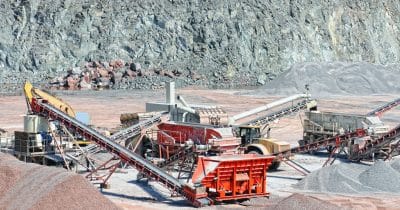
📰The US Army is leasing military land for critical mineral processing facilities to reduce dependence on Chinese supply chains and strengthen domestic production capabilities. This strategic initiative aims to enhance national security while bolstering the domestic critical minerals industry, which is essential for defense, renewable energy, and technology applications.
CryptoBearishCrypto Briefing · Jun 257/10
⛓️Polymarket, a major cryptocurrency prediction market platform, faces regulatory scrutiny and credibility challenges after using deceptive promotional videos featuring fake trades and fabricated winning scenarios. The discovery threatens to undermine trust in crypto prediction markets and could trigger broader regulatory crackdowns affecting industry legitimacy.
AIBearishThe Verge – AI · Jun 257/10
🧠The Trump administration has requested that OpenAI delay and stagger the release of GPT-5.6, citing security concerns. OpenAI will initially release the model in limited preview form to select enterprise customers, with the federal government approving access on a case-by-case basis during the evaluation period.
🏢 OpenAI🏢 Anthropic🧠 GPT-5
DeFiBullishBlockonomi · Jun 257/10
💎Uniswap has launched a no-code token auction tool featuring a Continuous Clearing Auction (CCA) mechanism designed to compete with Pump.fun by enabling teams to launch onchain token auctions directly from a browser. The CCA model spreads bids across multiple blocks to eliminate bot sniping and provide fair pricing, as demonstrated by successful auctions like Aztec's $59M raise and Cap Labs' 5.5x oversubscribed offering.
$UNI$CAP
AIBearishCrypto Briefing · Jun 257/10
🧠Anthropic has called on Congress to strengthen AI export controls to prevent unauthorized knowledge transfer from US-developed models, while accusing Chinese tech giant Alibaba of conducting a massive model distillation attack. The company argues that enhanced export restrictions could mitigate national security risks associated with advanced AI capabilities.
🏢 Anthropic
AIBearishCrypto Briefing · Jun 257/10
🧠Alphabet is experiencing significant talent attrition as AI researchers depart for competitors OpenAI and Anthropic, signaling potential weaknesses in its AI strategy and organizational culture. This exodus raises questions about the company's ability to maintain leadership in the rapidly evolving AI sector and may influence investor confidence in its long-term competitive positioning.
🏢 OpenAI🏢 Anthropic
CryptoBullishCrypto Briefing · Jun 257/10
⛓️GOP lawmakers are pushing to pass the CLARITY Act before the August congressional recess, aiming to establish a comprehensive regulatory framework for digital assets. The legislation's passage could significantly impact market stability and investor confidence in the cryptocurrency sector.