Models, papers, tools. 14,778 articles with AI-powered sentiment analysis and key takeaways.
US special operations forces conducted a ground rescue mission in Iran to extract an F-15E officer, marking confirmed American military operations on Iranian soil. This development could significantly escalate geopolitical tensions and impact global military and diplomatic strategies.
Economist Steve Keen warns that geopolitical tensions, particularly Iran's control over the Strait of Hormuz, pose significant threats to global economic stability and could potentially trigger widespread famine. He also critiques Trump's foreign policy approach, comparing it to a pump and dump scheme.
An advisor to Iran's Ghalibaf has issued an ultimatum to Trump, demanding surrender within 20 hours or face escalation. The geopolitical tension is creating market volatility and threatens to undermine diplomatic efforts between the US and Iran.
Chinese AI companies with military ties are using publicly available data to track US military movements during the Iran conflict, marketing detailed intelligence services. This demonstrates how AI and open-source intelligence can be weaponized for military surveillance purposes.
Iran's Khorramshahr port was attacked, significantly escalating regional tensions and reducing the probability of a US-Iran ceasefire to just 1.1%. The attack undermines ongoing diplomatic efforts and increases skepticism about near-term conflict resolution.
Trump has threatened to 'take out' Iran in one night, with the U.S. having various military options including advanced weapons systems like blackout bombs and electronic warfare tools. These capabilities range from targeted strikes to infrastructure disruption without completely destroying the country.
Iran's Islamic Revolutionary Guard Corps has threatened to destroy OpenAI's $30 billion Stargate data center under construction in Abu Dhabi if the US attacks Iran's power infrastructure. The threat was made public through an Iranian state-backed news outlet video showing satellite imagery of the UAE facility.
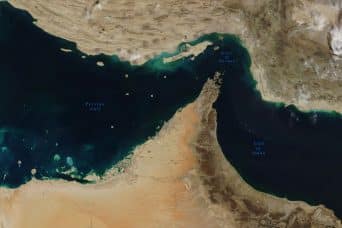
Goldman Sachs warns of a critical oil supply crisis as the Strait of Hormuz closure has cut Asian oil imports by 9 million barrels per day, causing diesel prices to surge 150%. The blockade of this crucial shipping route is creating real oil shortages with significant global energy market implications.
Iran's Revolutionary Guard has issued destruction threats against the UAE's $30 billion Stargate AI facility in Abu Dhabi, which is backed by major tech companies including OpenAI, Nvidia, and Microsoft. This development escalates regional tensions and highlights geopolitical risks to major AI infrastructure investments in the Middle East.
Brent crude oil prices surged past $110 on Monday following Trump's ultimatum to Iran with a Tuesday deadline to reopen the Strait of Hormuz. The geopolitical tension occurs amid ongoing ceasefire negotiations in the region.
President Trump has threatened to target Iranian power plants and infrastructure if Tehran doesn't comply by April 7, following last week's attack on Iran's Ghadir Bridge. The escalating tensions have led to increased speculation on Polymarket regarding potential invasion scenarios.
Recent explosions in Tehran and missile strikes in Haifa have increased market speculation about Iranian regime stability, with betting odds on regime collapse rising to 14%. The geopolitical tensions are creating heightened uncertainty in financial markets.
Oil prices are climbing and stock futures falling amid spreading fuel shortages. President Trump escalated tensions with Iran, threatening to destroy the country if no deal is reached, ahead of a moving deadline.
Iran has launched missile attacks on Kuwait while the UAE joins a US-led military mission, significantly escalating regional tensions. The UAE's participation indicates a deepening conflict with reduced prospects for immediate diplomatic resolution.
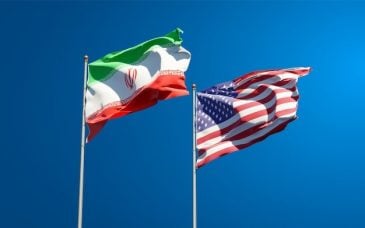
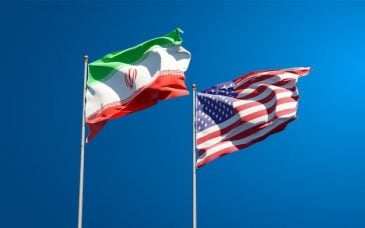
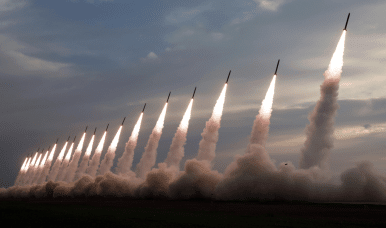
Iran has threatened retaliation against US attacks, significantly reducing the likelihood of a ceasefire according to Financial Times reporting. This escalation increases geopolitical tensions and is expected to drive market volatility and uncertainty across financial markets.
The UAE has joined a US-led coalition to secure the Strait of Hormuz amid rising military tensions in the region. This development may escalate regional conflicts and significantly impact global oil markets while complicating diplomatic peace efforts.
US special forces conducted a rescue operation for an F-15 crew in Iran amid escalating tensions. The military engagement reduces prospects for diplomatic resolution and is expected to increase market volatility.
Trump has threatened to strike Iran's power plants and bridges if the Strait of Hormuz isn't reopened by Tuesday. Kuwait reports that an attack has already put a water desalination plant offline, while Trump has previously extended similar deadlines when mediators claimed progress toward ending conflicts.
Iraqi Popular Mobilization Forces (PMF) have entered Iran, escalating regional tensions and increasing the probability of US military involvement to 86%. This development raises concerns about regional stability and potential market volatility across risk assets including cryptocurrencies.