
AIBearishTechCrunch – AI · Mar 187/10
AI Pulse News
Models, papers, tools. 110,099 articles with AI-powered sentiment analysis and key takeaways.
110099 articles
AIBullishCryptoPotato · Mar 187/10

AIBearisharXiv – CS AI · Mar 187/10
AIBullisharXiv – CS AI · Mar 187/10
AIBearisharXiv – CS AI · Mar 187/10
AIBullishMarkTechPost · Mar 177/10
🧠
Unsloth AI Releases Unsloth Studio: A Local No-Code Interface For High-Performance LLM Fine-Tuning With 70% Less VRAM Usage
Unsloth AI has released Unsloth Studio, an open-source, no-code local interface for fine-tuning large language models. The platform addresses infrastructure challenges by reducing VRAM requirements by 70% and eliminating the need for complex CUDA environment management.

AIBullishMIT Technology Review · Mar 177/10
🧠
The Pentagon is planning for AI companies to train on classified data, defense official says
The Pentagon is planning to create secure environments for AI companies to train military-specific versions of their models on classified data. AI models like Anthropic's Claude are already being used in classified settings, including for analyzing targets in Iran, but training on classified data would represent a significant expansion of AI use in defense applications.
🏢 Anthropic🧠 Claude
AI × CryptoBullishBlockonomi · Mar 177/10
🤖
Best Crypto Presale: DeepSnitch AI Surges 200% as Web3 Companies Go All-In on AI Technology
DeepSnitch AI presale has surged 200% amid a broader trend of Web3 companies pivoting to AI technology. Crypto data firm Messari exemplifies this shift by replacing its CEO, laying off staff, and repositioning from human-driven research to an AI-focused company that opens its data layer to autonomous AI agents.
AI × CryptoBullishBlockonomi · Mar 177/10
🤖
Cardano Price Prediction 2026: Messari Just Went All-In on AI and DeepSnitch AI Deployed 5 AI Crypto Security Tools In Presale
Messari has replaced its CEO and pivoted to become an AI-first company focused on serving institutions with research and AI products, while opening its data layer to autonomous agents. This strategic shift, combined with predictions for Cardano reaching $2.75-$3.25 by 2026 due to Voltaire governance and potential ETF approval, signals the incoming AI boom in crypto markets.
$ADA
AIBearishDecrypt · Mar 177/10
🧠
What If Elon Musk's Grok Leaks Classified Info? Elizabeth Warren Is Worried—The Pentagon Isn't
Senator Elizabeth Warren is demanding answers after the Pentagon granted Elon Musk's xAI classified network access despite NSA warnings. The controversy centers on concerns that Musk's Grok AI could potentially leak sensitive classified information.

🏢 xAI🧠 Grok
AI × CryptoBullishCoinTelegraph · Mar 177/10
🤖
Tether launches AI training framework for smartphones and consumer GPUs
Tether has launched an AI training framework for smartphones and consumer GPUs as part of its QVAC platform. The framework is designed to work with non-Nvidia hardware, potentially democratizing AI training by expanding beyond the dominant GPU infrastructure typically required.

🏢 Nvidia
AIBullishDecrypt – AI · Mar 177/10
🧠
OpenAI Releases GPT-5.4 Mini and Nano, Which Could Be More Useful Than the Big Model
OpenAI has released GPT-5.4 Mini and Nano, smaller versions of their flagship model that offer faster performance and lower costs. These compact models are positioned as more practical solutions for everyday business and developer use cases compared to the full-sized GPT-5.4 model.

🏢 OpenAI🧠 GPT-5
GeneralBearishFortune Crypto · Mar 177/10
📰
Stocks haven’t hit bottom yet, says the analyst who called a ‘rolling recession’ when everyone else saw a boom
Morgan Stanley analyst Mike Wilson, who previously predicted a 'rolling recession,' warns that stocks haven't reached their bottom yet. He notes that 50% of Russell 3000 stocks are already down 20% from their peaks, and the current market selloff that's panicking investors actually began six months ago.

AIBearishFortune Crypto · Mar 177/10
🧠
Mark Zuckerberg is poised to finish what Jack Dorsey started: a ‘cascade’ of AI-related layoffs across the tech sector, top tech analyst says
Mark Zuckerberg and Meta are positioned to lead a new wave of AI-driven layoffs across the tech industry, potentially expanding beyond Silicon Valley. Analysts warn this could trigger a cascade effect similar to what Jack Dorsey initiated, fundamentally reshaping workforce dynamics in the technology sector.
$XRP
AIBearishFortune Crypto · Mar 177/10
🧠
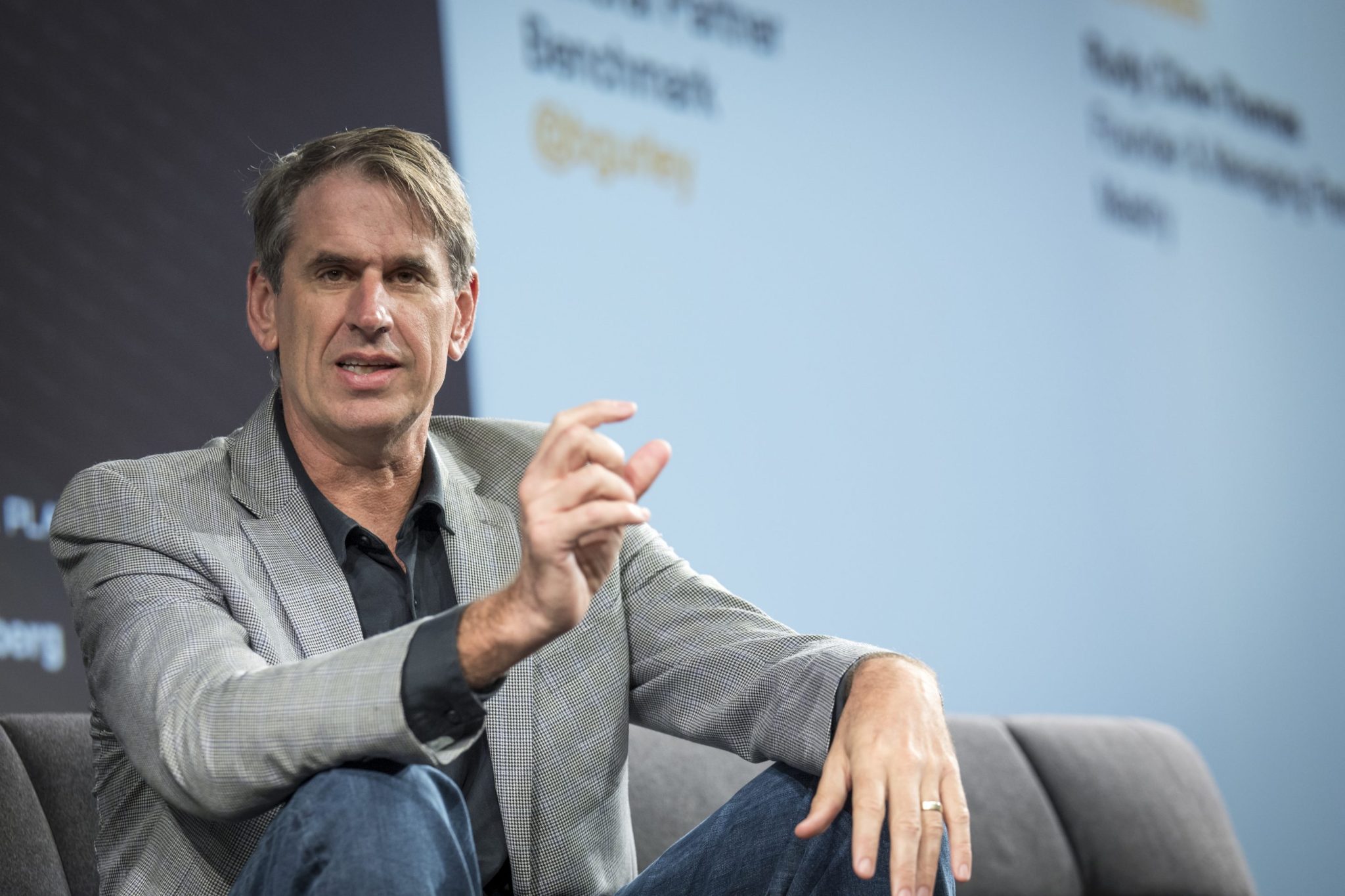
Benchmark’s Bill Gurley: the AI bubble is about to burst—and a reset is coming
Legendary venture capitalist Bill Gurley from Benchmark warns that the AI bubble is nearing its end, predicting a market reset when companies 'trip and run out of money.' He believes this critical moment is approaching for the overheated AI sector.
AIBullishGoogle AI Blog · Mar 177/10
🧠
Our latest investment in open source security for the AI era
Google announces new investments in open source security specifically designed for the AI era. The company is developing new tools and building code security solutions to address emerging security challenges in AI development.

AINeutralTechCrunch – AI · Mar 177/10
🧠
Google’s Personal Intelligence feature is expanding to all US users
Google is expanding its Personal Intelligence feature to all US users, allowing the company's AI assistant to integrate with Gmail, Google Photos, and other Google services to deliver more personalized responses. This represents a significant step in Google's AI strategy to leverage user data across its ecosystem for enhanced AI capabilities.
GeneralBearishBlockonomi · Mar 17🔥 8/10
📰
European NATO Members Decline Trump’s Request for Hormuz Naval Deployment
European NATO members including Germany and the UK have rejected Trump's request for naval deployment to the Strait of Hormuz amid rising tensions with Iran. Oil prices have surged past $100 as geopolitical tensions escalate in the critical shipping corridor.
AIBearishFortune Crypto · Mar 177/10
🧠
ServiceNow CEO predicts Gen Z college graduates will face at least 30% unemployment in just the next couple of years as AI takes over
ServiceNow CEO Bill McDermott predicts that Gen Z college graduates will face at least 30% unemployment within the next few years due to AI automation. The $123 billion software company leader warns that young workers will struggle to differentiate themselves in corporate environments as AI increasingly takes over job functions.

GeneralNeutralFortune Crypto · Mar 17🔥 8/10
📰
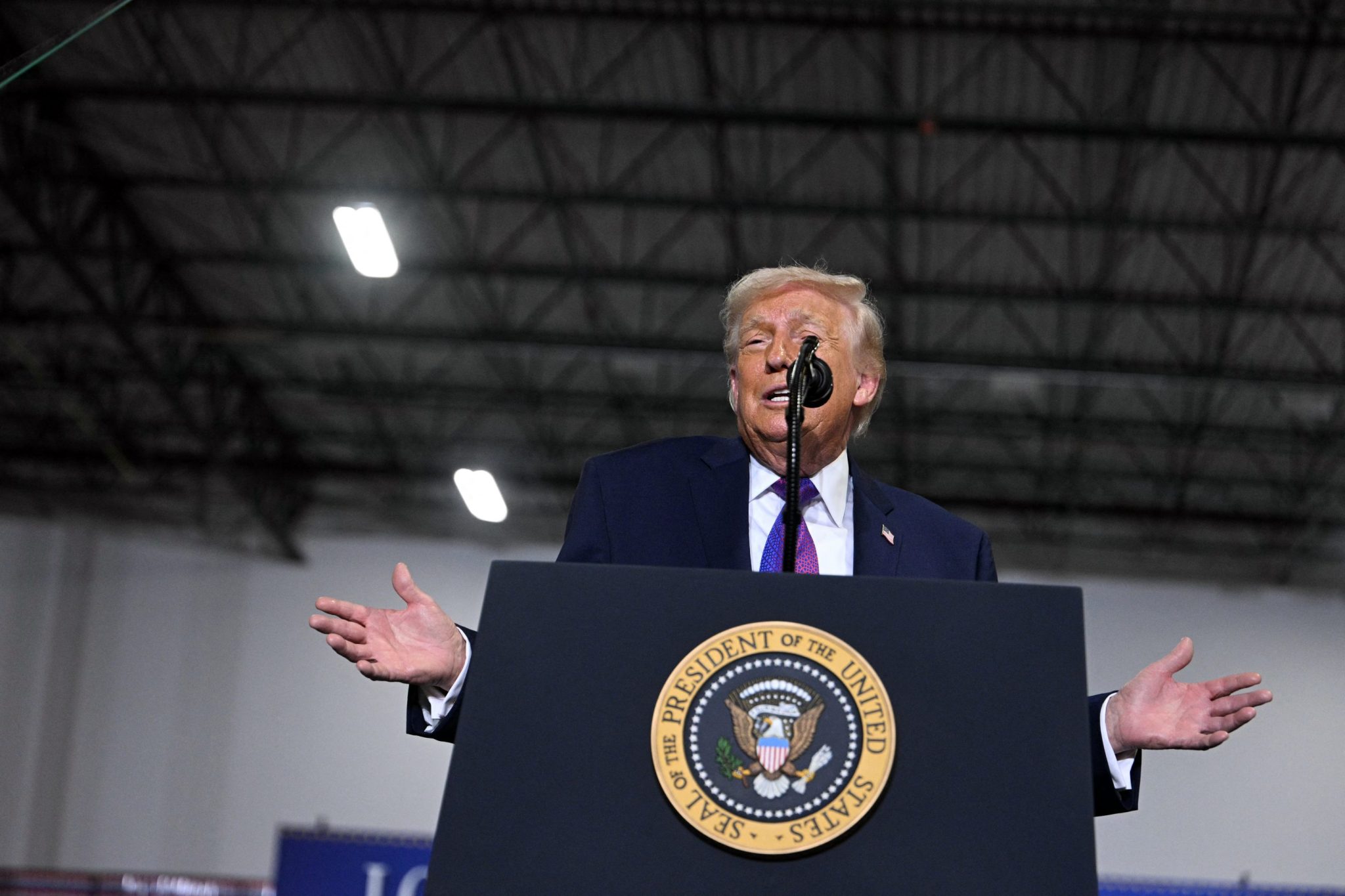
Trump’s Iran War looks improvised. It isn’t. Here’s the playbook he’s been running for decades
The article argues that Trump's approach to Iran policy, despite appearing contradictory and improvised to pundits, follows a consistent strategic playbook he has employed throughout his career. The analysis suggests there is an underlying method to what critics perceive as chaotic foreign policy decisions.
AIBullishBlockonomi · Mar 177/10
🧠
OpenAI Partners with AWS to Distribute AI Solutions to Federal Government Agencies
OpenAI has partnered with Amazon Web Services to sell AI tools to US federal government agencies, expanding beyond its existing Pentagon contract. This partnership represents a significant expansion of OpenAI's government presence through AWS's established federal distribution channels.
🏢 OpenAI
AIBearishBlockonomi · Mar 177/10
🧠
Tesla (TSLA) Stock Slides as Nvidia DRIVE Secures Major Partnerships with Uber, BYD and Hyundai
Tesla stock declines as Nvidia's DRIVE autonomous vehicle platform secures partnerships with major companies including Uber, BYD, and Hyundai. This development poses a competitive threat to Tesla's autonomous driving technology advantage and premium positioning in the market.
🏢 Nvidia
AIBullishCrypto Briefing · Mar 177/10
🧠
Alibaba unveils Wukong AI agent platform ahead of earnings
Alibaba has launched its Wukong AI agent platform ahead of earnings, positioning it as a solution for enterprise automation. The platform is expected to intensify competition in the AI space and influence global AI integration strategies across businesses.

AINeutralMIT Technology Review · Mar 177/10
🧠
The Download: OpenAI’s US military deal, and Grok’s CSAM lawsuit
This article discusses OpenAI's controversial agreement to provide AI technology access to the Pentagon, raising questions about potential military applications. The piece also mentions a lawsuit involving Grok and CSAM-related issues.
🏢 OpenAI🧠 Grok
AI × CryptoBullishDecrypt – AI · Mar 177/10
🤖
AI, Privacy Coins Lead Altcoin Rally as Bitcoin Tops $75K
AI and privacy-focused cryptocurrencies are leading an altcoin rally following Bitcoin's retest of the $75,000 level. Market experts attribute this outperformance to increased demand for infrastructure-related tokens rather than speculative meme coins.

$BTC