
More than 300 US governments have banned or limited data center development since 2023
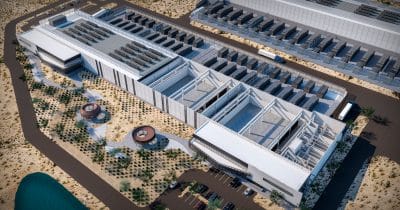
Over 300 US local governments have banned or restricted data center development since 2023, reflecting growing community opposition to large-scale facility expansion. This trend creates friction between technology infrastructure growth and local resource constraints, potentially delaying major investment projects and reshaping where data centers can be built.
The surge in data center restrictions across US municipalities signals a fundamental shift in how communities approach large-scale technology infrastructure. Local governments increasingly view unrestricted data center expansion as incompatible with resource management priorities, particularly regarding energy consumption, water usage, and grid capacity. This resistance emerges as AI adoption accelerates demand for computing infrastructure, creating a critical bottleneck between supply and market needs.
The restrictions reflect legitimate community concerns about externalities from data center operations. These facilities consume enormous amounts of electricity and water while generating minimal local employment relative to their footprint. Communities that have experienced rapid facility expansion often face rising energy costs, water scarcity, and environmental degradation without proportional economic benefits. The 300+ bans since 2023 represent organized pushback against the assumption that tech companies can site infrastructure wherever capital directs them.
For investors and developers, this fragmentation creates significant operational challenges. Projects now require extensive local political engagement and may face years of regulatory delays. Real estate costs in permissive jurisdictions will likely increase as developers concentrate efforts in friendlier markets, potentially raising overall infrastructure deployment costs across the industry. Companies building AI systems that depend on domestic computational capacity may face supply constraints if they cannot secure adequate facility locations.
Going forward, stakeholders should monitor which regions emerge as data center-friendly to understand where capital will consolidate. Policy solutions—such as revenue-sharing models or required infrastructure upgrades—could reshape local dynamics, but current trends suggest the era of frictionless facility deployment has ended.
- →Over 300 US local governments have restricted or banned data center development since 2023, creating significant geographic constraints for infrastructure expansion.
- →Community resistance stems from concerns about energy consumption, water usage, and grid strain without corresponding local economic benefits.
- →Data center supply constraints could create bottlenecks for AI and cryptocurrency infrastructure requiring computational capacity.
- →Developers will face higher costs and longer timelines as they concentrate projects in politically permissive jurisdictions.
- →Future policy solutions may require developers to share revenue or fund local infrastructure upgrades to gain community approval.