
American Bankers Association escalates lobbying against CLARITY Act stablecoin provisions
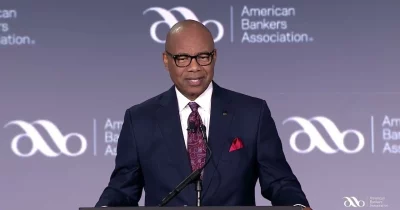
The American Bankers Association has intensified lobbying efforts against stablecoin provisions in the CLARITY Act, reflecting ongoing friction between traditional banking institutions and the cryptocurrency industry. This escalation underscores the regulatory battle shaping how digital assets will be regulated and whether banks will maintain control over payment systems.
The ABA's intensified lobbying campaign against CLARITY Act stablecoin provisions represents a critical juncture in the regulatory battle between incumbent financial institutions and emerging digital asset technologies. Traditional banks perceive stablecoins as a direct threat to their deposit-taking and payment settlement functions, prompting them to mobilize their substantial political influence to shape legislation in their favor.
This conflict emerges from decades of banking sector consolidation and regulatory capture, where established institutions have maintained near-monopolies over money transmission and settlement infrastructure. Stablecoins threaten this model by enabling peer-to-peer value transfer and alternative settlement mechanisms that bypass traditional intermediaries. The ABA's membership represents the vast majority of U.S. banking assets, giving their lobbying considerable weight in Congress.
The market implications are substantial for cryptocurrency adoption and DeFi development. Restrictive stablecoin regulations could hamper the growth of decentralized finance applications, reduce institutional participation in crypto markets, and limit payment innovation that could benefit consumers through lower fees and faster settlement. Conversely, successful stablecoin regulation could accelerate mainstream adoption if frameworks provide clarity rather than prohibition.
Looking ahead, the outcome of this regulatory tug-of-war will likely depend on political momentum and whether policymakers prioritize consumer innovation or institutional preservation. Congressional pressure from both pro-crypto and pro-banking factions suggests a compromise may emerge, though the specific provisions governing stablecoin reserve requirements, issuance limits, and custody arrangements remain contested. Market participants should monitor Congressional committee votes and any amendments to the CLARITY Act.
- →The ABA's escalated lobbying reflects traditional banks' perceived threat from stablecoin-enabled alternative payment systems
- →Restrictive stablecoin regulations could significantly slow DeFi growth and institutional crypto participation
- →The regulatory outcome will determine whether cryptocurrency achieves mainstream payment adoption or remains confined to niche use cases
- →Political compromise appears likely given competing lobbying pressures from both banking and crypto sectors
- →Investors should monitor CLARITY Act amendments and Congressional committee developments for regulatory clarity signals