
The metaverse isn't a place: Why Animoca’s Yat Siu says the future is 100 billion AI agents
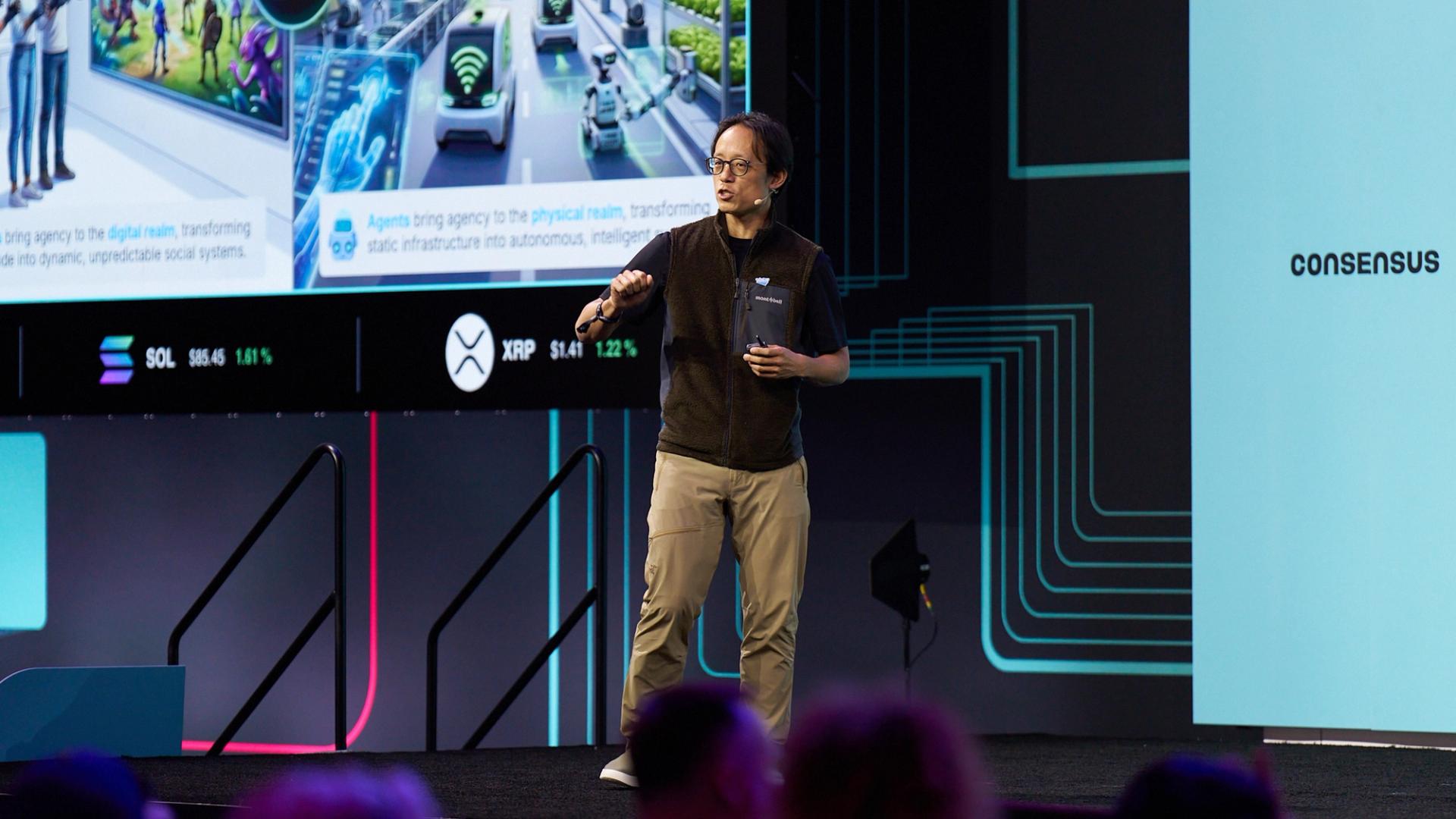
Animoca Brands founder Yat Siu argues the metaverse is not a destination but an infrastructure layer where AI agents autonomously conduct commerce, payments, and coordination via blockchain. This vision positions AI agents, rather than immersive virtual worlds, as the future's primary economic actors.
Yat Siu's perspective challenges the conventional narrative around the metaverse as immersive digital environments reminiscent of Ready Player One. Instead, he frames the metaverse as invisible infrastructure where AI agents handle economic coordination on blockchain networks. This distinction is significant because it reorients expectations from consumer-facing virtual worlds toward backend systems managing transactions and agreements autonomously.
The concept builds on existing blockchain infrastructure and AI advancement, but applies them at unprecedented scale—Siu references 100 billion AI agents as a realistic future endpoint. This reflects broader industry maturation, where blockchain adoption increasingly focuses on infrastructure utility rather than consumer applications. The shift from emphasizing visual immersion to functional automation suggests the most valuable metaverse applications may operate without user interfaces entirely.
For investors and developers, this framing implies significant opportunity in AI agent protocols, decentralized coordination systems, and blockchain infrastructure rather than game engines or virtual real estate. Companies building the underlying systems for agent-to-agent transactions could capture more value than those creating destination experiences. However, achieving this requires solving coordination, trust, and scalability challenges that remain partially unsolved.
The implications for crypto markets are substantial—infrastructure tokens and AI-focused blockchain projects may attract renewed investment if this vision gains traction. Conversely, metaverse-focused gaming tokens tied to immersive experiences could face headwinds if narrative dominance shifts toward behind-the-scenes agents. The next indicator to watch is whether major blockchain platforms prioritize agent-focused development tooling and whether enterprise adoption of autonomous agents accelerates.
- →The metaverse is evolving from immersive virtual worlds into invisible blockchain infrastructure coordinating autonomous AI agents
- →Siu projects 100 billion AI agents handling commerce and payments through decentralized systems, not user-facing interfaces
- →This narrative shift favors infrastructure and coordination layer projects over consumer-focused virtual world platforms
- →AI agents conducting transactions autonomously requires significant advances in blockchain scalability and trust mechanisms
- →Investment focus may shift from metaverse gaming tokens toward blockchain infrastructure and AI agent protocol development