
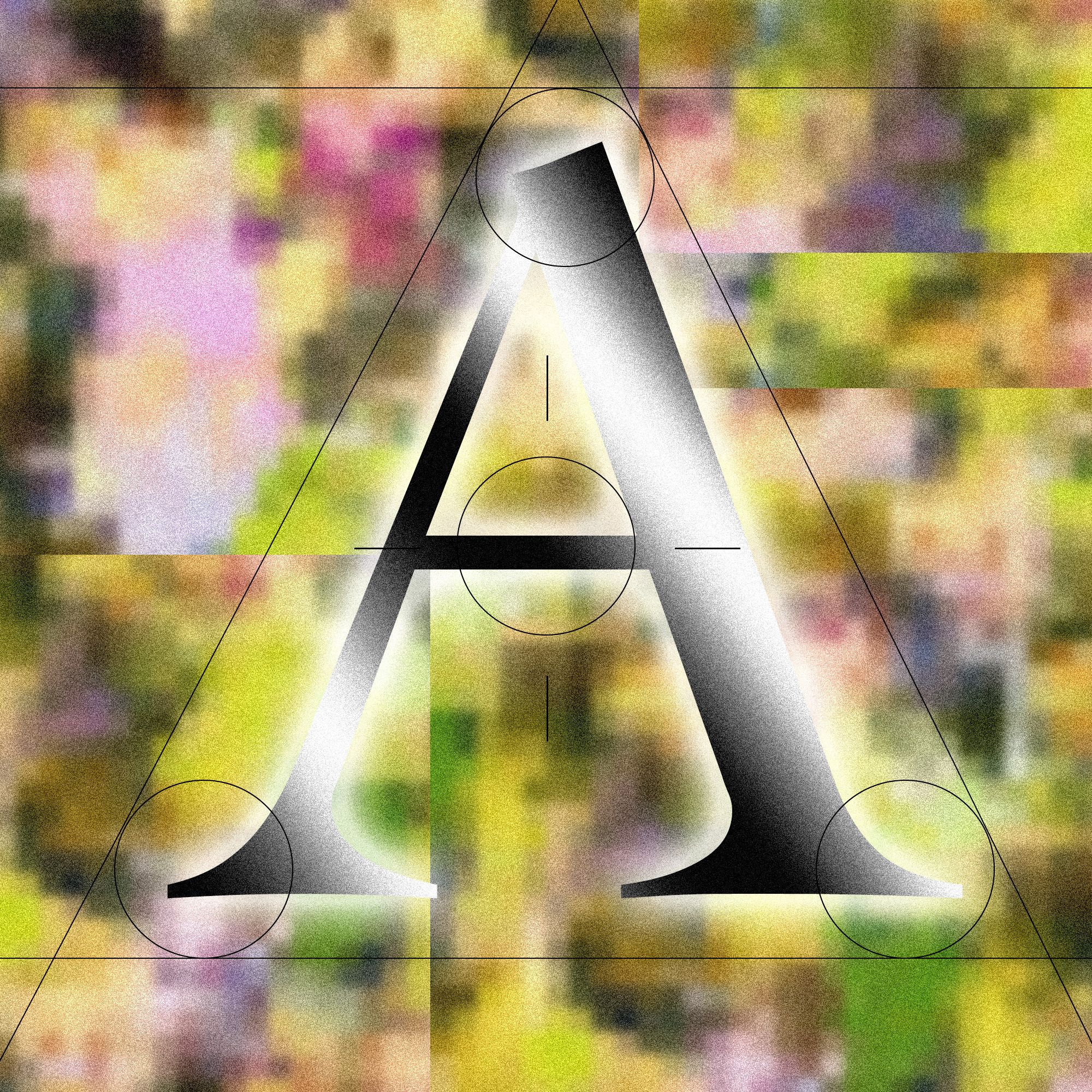
AI companies are increasingly adopting serif fonts in their branding and interfaces to convey humanity and trustworthiness. Critics are dismissing these design choices as "tasteslop," questioning whether cosmetic visual changes constitute genuine efforts to make AI systems more approachable or represent superficial marketing.
The adoption of serif fonts by AI companies reflects a broader industry strategy to address public skepticism about artificial intelligence. Serif typefaces historically signal tradition, authority, and human craftsmanship—qualities companies hope to associate with their AI products. This branding choice matters because it reveals how AI firms are attempting to manage perception and trust in an era of significant public concern about algorithmic bias, job displacement, and AI safety.
The backlash framing these efforts as "tasteslop" suggests growing consumer cynicism toward AI marketing tactics. Design choices alone cannot substitute for genuine transparency, safety measures, or responsible development practices. The criticism points to a deeper tension: when companies prioritize superficial signals of humanity over substantive commitments to alignment and accountability, audiences rightfully perceive the disconnect.
This trend has downstream implications for investor confidence and market positioning. Companies that rely heavily on aesthetic trust-building without backing it with verifiable safety practices may face reputational risks. Conversely, firms that combine thoughtful design with transparent governance could gain competitive advantage among increasingly discerning users and institutional stakeholders.
Looking ahead, the market will likely differentiate between AI companies that use design as window-dressing versus those integrating it into broader trust-building frameworks. Consumer education around AI capabilities and limitations will become increasingly important, potentially outweighing visual branding efforts. The debate over serif fonts exemplifies how perception management and actual product integrity are diverging in the AI space.
- →AI companies are using serif fonts as a design strategy to project humanity and trustworthiness.
- →Critics argue this represents "tasteslop"—superficial marketing lacking substantive commitment to safety and transparency.
- →Branding choices alone cannot substitute for genuine AI safety practices and responsible development.
- →Consumer skepticism toward AI is driving demand for verifiable accountability beyond visual design signals.
- →Market differentiation will favor AI firms combining thoughtful design with transparent governance frameworks.