
AI put "synthetic quotes" in his book. But this author wants to keep using it.
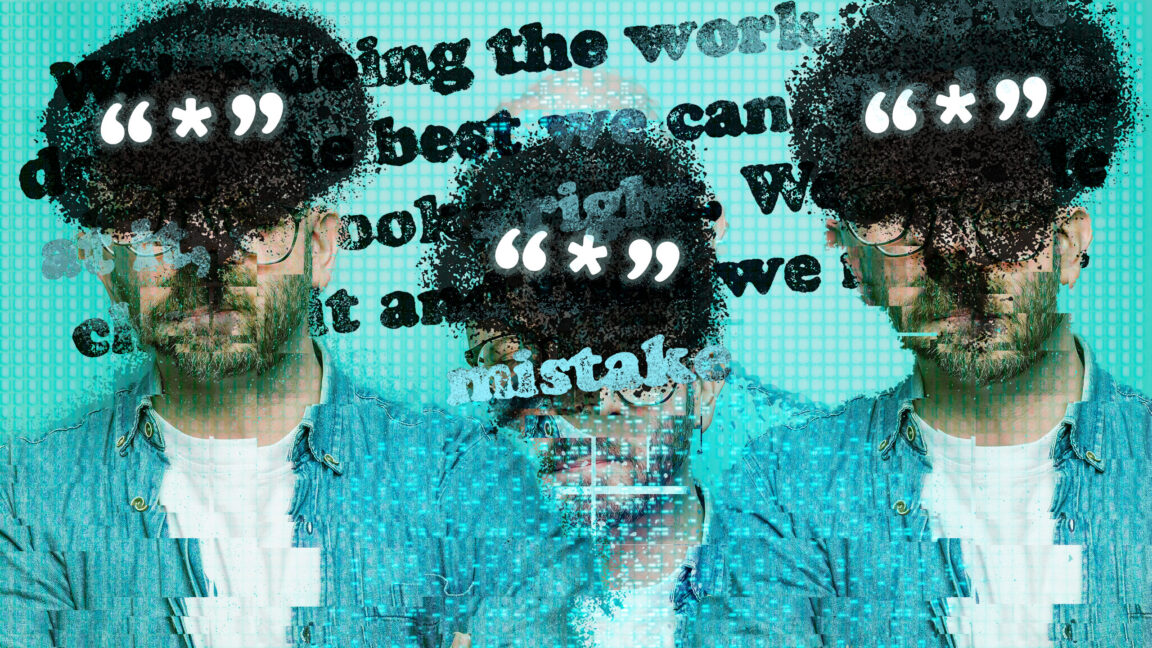
Author Steven Rosenbaum included inaccurate quotes generated by AI in his book 'The Future of Truth,' raising questions about AI's role in content creation and factual accuracy. Despite acknowledging the error, Rosenbaum indicates he plans to continue using similar AI tools, highlighting the tension between AI efficiency and editorial integrity in publishing.
The inclusion of synthetic or inaccurate quotes in a book explicitly about truth represents a significant irony that underscores growing concerns about AI integration in content creation. Rosenbaum's situation exemplifies a critical challenge emerging across industries: as AI tools become more sophisticated and accessible, creators face pressure to adopt them for efficiency while struggling to maintain accuracy and credibility. The author's willingness to continue using AI despite recognizing its failures suggests that convenience and productivity gains may outweigh accuracy concerns for many professionals.
This incident reflects a broader trend where AI-generated content increasingly appears in published works, news articles, and public communications without adequate fact-checking frameworks. The trust infrastructure that traditionally underpins authored works—editorial review, fact-checking processes, and author accountability—faces pressure when AI tools can rapidly generate plausible-sounding but false information. Publishers and authors must grapple with whether current vetting processes suffice for AI-augmented content.
For the broader media and publishing industry, this case demonstrates the urgent need for clear standards and disclosure practices around AI usage. Readers expect accuracy and authenticity, especially in non-fiction works addressing critical topics like truth itself. The market implications extend beyond publishing: if AI-generated misinformation becomes normalized in authoritative sources, trust in information ecosystems could deteriorate, affecting valuations across media companies and publishing platforms.
Looking ahead, the publishing industry must develop stronger guardrails around AI content, including transparent disclosure, enhanced fact-checking protocols, and potential legal accountability for synthetic content presented as factual.
- →AI-generated inaccurate quotes infiltrated a book about truth, creating a credibility crisis for the author and publisher
- →The author plans to continue using AI tools despite the documented accuracy failures, prioritizing efficiency over editorial integrity
- →Publishing and media industries lack standardized protocols for fact-checking and disclosing AI-generated content
- →This incident highlights systemic risks in information ecosystems when AI content lacks adequate verification
- →Clear disclosure standards and stronger editorial oversight for AI-assisted content will become industry necessities