
US scrambles to stop Internet users re-creating dead pilots’ voices
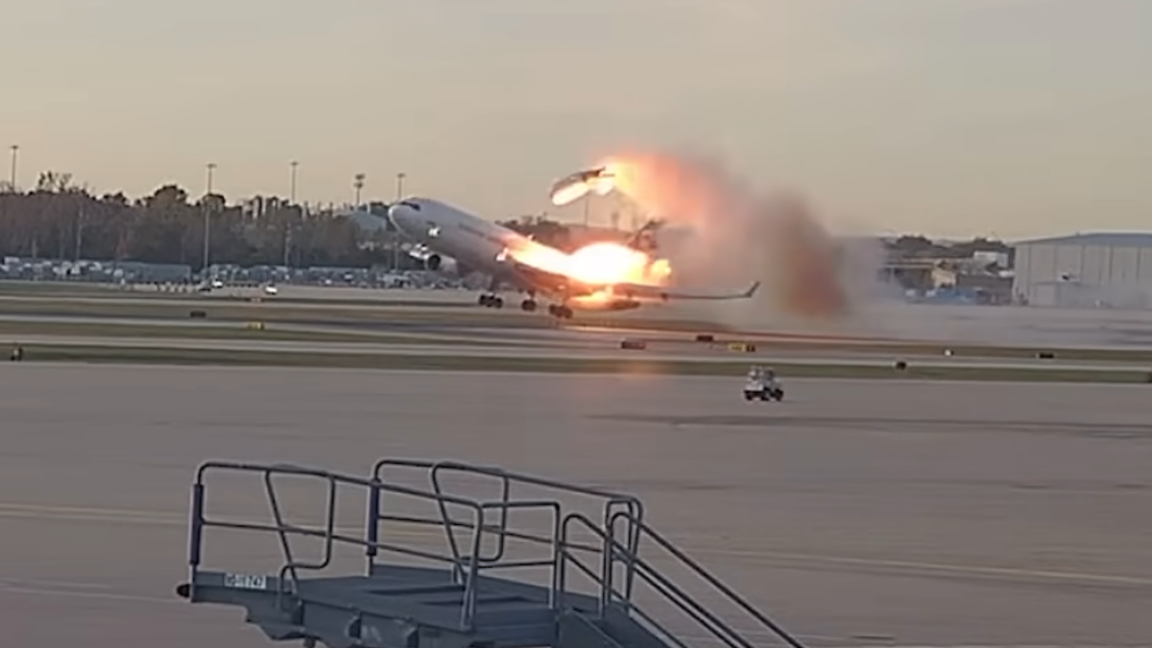
US authorities are confronting a legal loophole where internet users employ AI voice synthesis technology to recreate deceased pilots' voices from cockpit audio recordings, circumventing NTSB regulations that prohibit public disclosure of such sensitive materials. The workaround exploits the gap between what can be legally shared and what can be technologically reconstructed, raising questions about AI regulation and privacy protections.
The intersection of AI voice synthesis capabilities and aviation safety regulations has created an unexpected enforcement challenge for US authorities. While the National Transportation Safety Board maintains strict legal prohibitions on distributing cockpit audio recordings—designed to protect pilot privacy and encourage candid communication during investigations—advanced AI tools now enable users to reconstruct these voices from publicly available accident investigation reports and other sources, effectively circumventing the original regulatory intent.
This situation reflects broader tensions between rapid AI advancement and legacy regulatory frameworks. Aviation safety regulations were established decades before synthetic media technology became accessible to the general public. The NTSB's restrictions assumed that controlling information distribution would prevent unauthorized voice recordings from circulating; the agency did not anticipate that voice synthesis could recreate audio without access to the original recordings.
For the AI industry, this highlights growing scrutiny around synthetic media applications. Regulators increasingly recognize that controlling data access alone provides insufficient protection when reconstruction technologies are readily available. This may accelerate demands for stricter AI synthesis regulations, particularly in sensitive domains like aviation, healthcare, and national security.
The regulatory response will likely focus on either restricting AI voice synthesis capabilities, mandating authentication mechanisms for synthetic audio, or establishing new legal frameworks specifically addressing reconstructed voice content. Technology companies building voice synthesis tools face potential liability and compliance burdens, while AI researchers confront questions about responsible development. This case will probably influence how regulators approach similar challenges across other industries where privacy and safety intersect with generative AI capabilities.
- →AI voice synthesis tools enable reconstruction of protected cockpit audio despite legal prohibitions on direct distribution
- →Existing regulations designed to control information distribution prove ineffective against reconstruction technology
- →The incident reveals fundamental gaps between legacy safety frameworks and modern AI capabilities
- →Stricter AI synthesis regulations and synthetic media authentication mechanisms may emerge as regulatory responses
- →Technology companies face growing liability exposure for enabling reconstruction of legally protected content