
Ali Larijani assassination in Tehran escalates Iran-Israel conflict
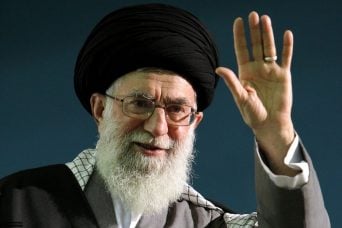
The assassination of Ali Larijani in Tehran has escalated tensions between Iran and Israel, with potential implications for regional stability. The event may destabilize Iran's internal leadership structures and significantly alter geopolitical dynamics affecting global markets.
The assassination of Ali Larijani represents a critical flashpoint in the escalating Iran-Israel conflict. Larijani, a prominent Iranian political figure, held significant influence over Iran's domestic and foreign policy decisions. His death removes a key player from Iran's power structure during an already tense period, creating uncertainty about succession and policy direction within Iranian leadership. This event occurs against the backdrop of decades of rivalry between Iran and Israel, punctuated by military confrontations, proxy conflicts, and economic sanctions.
Historically, targeted killings of senior officials have triggered unpredictable responses from affected nations. Iran has previously responded to similar incidents through asymmetric warfare, cyber operations, and proxy actions across the Middle East. The leadership vacuum created by Larijani's death could lead to internal instability as competing factions vie for influence, potentially making Iran's response less calculated and more volatile.
For cryptocurrency and broader financial markets, geopolitical crises of this magnitude typically drive risk-off sentiment and capital flight toward safe havens. Investors often reduce exposure to emerging market assets and seek stability through traditional hedges. Oil markets face upward pressure due to Middle Eastern supply disruption risks, which can increase global inflation expectations and impact monetary policy trajectories.
Market participants should monitor Iran's official response statements, which will signal whether retaliation is imminent. Watch for increased volatility in oil futures, emerging market equities, and safe-haven assets like gold and US treasuries. Any direct military escalation could trigger broader regional conflict with cascading effects on global energy prices and risk appetite across all asset classes.
- →Assassination of senior Iranian official creates immediate leadership uncertainty within Iran's government structure.
- →Historical precedent suggests Iran may respond through asymmetric military or cyber actions against Israel or US interests.
- →Geopolitical escalation typically triggers risk-off sentiment, benefiting safe-haven assets and pressuring emerging markets.
- →Oil markets face upward price pressure due to increased Middle East supply disruption risks.
- →Cryptocurrency investors should expect increased volatility as markets reassess geopolitical risk premiums.