
Amazon unveils next-gen Proteus robot that takes orders in plain English
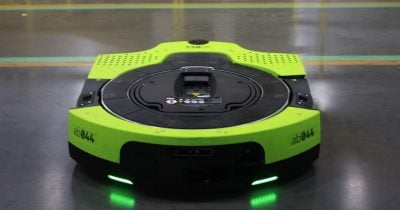
Amazon has unveiled an upgraded version of its Proteus robot that can now accept natural language commands in plain English, representing a significant advancement in human-machine interaction within warehouse automation. This development demonstrates the growing integration of AI capabilities into physical robotics, potentially reshaping operational workflows across logistics and manufacturing sectors.
Amazon's latest Proteus iteration marks a meaningful step forward in accessible automation technology. By enabling robots to understand and respond to conversational instructions rather than requiring pre-programmed commands, the company removes friction from human-robot collaboration. This shift towards natural language processing in physical systems reflects broader industry trends where AI sophistication increasingly prioritizes usability alongside performance.
The Proteus robot addresses longstanding challenges in warehouse automation. Previous generations of warehouse robotics required specialized training or interfaces to operate effectively, limiting scalability and worker adoption. Natural language interfaces democratize access to these systems, allowing non-technical employees to interact with robots intuitively. This capability gains importance as Amazon expands automation across fulfillment centers while managing workforce transitions.
From a market perspective, this development signals Amazon's commitment to maintaining competitive advantages in logistics automation. As e-commerce competition intensifies and labor costs rise, companies adopting sophisticated automation gain operational cost reductions and faster processing times. The technology could influence investor sentiment around Amazon's operational efficiency improvements and set new standards for warehouse automation competitors.
The broader implications extend beyond Amazon's operations. Success with conversational AI in physical robots could accelerate adoption across industries—manufacturing, healthcare logistics, and retail. Other technology leaders will likely prioritize similar capabilities to remain competitive. However, implementation challenges remain around reliability, edge-case handling, and worker displacement concerns that regulators increasingly scrutinize.
- →Amazon's Proteus robot now accepts natural language commands, lowering barriers to human-robot interaction in warehouses.
- →Natural language processing in physical robotics reflects industry-wide shift toward more accessible automation interfaces.
- →The upgrade could significantly reduce training requirements and improve operational efficiency across Amazon's fulfillment network.
- →Competitive pressure will likely drive adoption of similar conversational AI capabilities across logistics and manufacturing sectors.
- →Implementation raises questions about worker displacement and regulatory oversight of autonomous systems in industrial settings.