
Carlo Ancelotti faces key questions to lead Brazil to World Cup victory
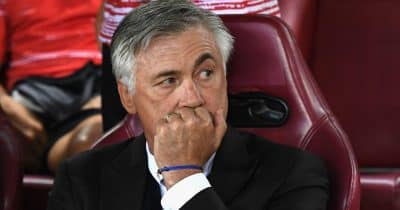
This article discusses Carlo Ancelotti's potential appointment as Brazil's football coach and the strategic implications for the national team's World Cup ambitions. The piece emphasizes how Ancelotti's leadership could reshape Brazil's coaching philosophy and influence global football management practices.
The article addresses Carlo Ancelotti's candidacy to lead Brazil's national football team toward World Cup success, positioning his appointment as potentially transformative for the organization. Ancelotti brings extensive experience from top European clubs, establishing a track record of tactical innovation and organizational discipline that contrasts with some traditional Brazilian coaching approaches.
Historically, Brazil has relied on coaches who emphasize flair and creative freedom, but contemporary competitive pressures at the World Cup level demand structural rigor alongside technical brilliance. Ancelotti's methodical approach to team-building and match preparation represents a strategic shift that could modernize Brazil's competitive framework. His success at AC Milan, Real Madrid, and other elite institutions demonstrates capacity to manage high-pressure environments and extract peak performance from world-class players.
The broader implications extend beyond Brazil's footballing fortunes. A successful Ancelotti tenure would validate the European coaching model in South American football and potentially influence how major federations worldwide approach managerial recruitment. This could alter the traditional dominance of native-born coaches in national team positions, creating competitive advantages for organizations willing to embrace external leadership.
Looking ahead, stakeholders should monitor whether Ancelotti accepts the position and how quickly he implements tactical changes. His ability to integrate Brazil's attacking tradition with defensive solidity will determine success. The appointment would also signal broader shifts in how football federations balance continental identity with global best practices in elite sports management.
- →Ancelotti's potential Brazil appointment represents a shift toward European coaching methodologies in South American football
- →His leadership style emphasizes tactical structure and organizational discipline alongside creative player expression
- →The hire could influence global football federations' approach to managerial recruitment across national teams
- →Ancelotti's track record at elite European clubs demonstrates capability to manage World Cup-level pressure and expectations
- →Success would validate importing external coaching expertise for major national football programs