
Anthropic CEO Dario Amodei calls for government power to block risky AI models
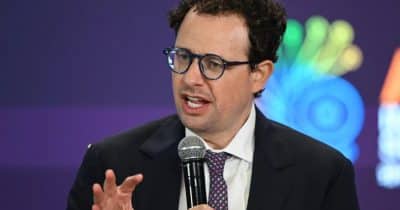
Anthropic CEO Dario Amodei has publicly advocated for government authority to block or regulate risky AI models, signaling the AI industry's growing acceptance of regulatory oversight. This position could accelerate global AI regulation frameworks and reshape how AI companies operate, potentially affecting innovation timelines and competitive dynamics in the sector.
Amodei's call for government power to restrict risky AI models represents a significant shift in how major AI organizations approach regulation. Rather than resisting oversight, Anthropic's leadership is proactively endorsing regulatory intervention, suggesting the industry recognizes that self-governance alone may be insufficient to address emerging safety and security concerns. This stance reflects broader industry maturation as companies like Anthropic face mounting pressure to demonstrate responsible AI development practices.
The context for this advocacy lies in escalating concerns about AI capabilities, from misinformation generation to potential misuse by bad actors. Governments worldwide are developing AI regulation frameworks, from the EU AI Act to emerging US standards. Amodei's endorsement legitimizes these efforts and could embolden policymakers to adopt stricter measures that might have faced industry opposition. The timing suggests Anthropic views regulatory clarity as preferable to fragmented, reactive restrictions that could emerge from future incidents.
This development creates tension for the AI ecosystem. Stricter government oversight could slow innovation by requiring extensive compliance processes and safety testing before deployment. Smaller AI startups may struggle with regulatory compliance costs, potentially consolidating market power among well-resourced players like Anthropic. Conversely, established safety standards could increase consumer and enterprise confidence in AI products, expanding market adoption and legitimizing the sector in mainstream business and government contexts.
The precedent set by Amodei's advocacy will influence how other AI leaders respond to regulatory pressures. If this position becomes industry consensus, we may see coordinated efforts to shape regulatory frameworks collaboratively rather than through adversarial policy battles.
- →Anthropic CEO advocates for government authority to block risky AI models, marking industry acceptance of regulatory oversight
- →This stance could accelerate development of stricter global AI regulations and safety standards
- →Regulatory compliance costs may create barriers for smaller AI startups while benefiting well-resourced incumbents
- →Amodei's position suggests major AI companies view regulatory clarity as preferable to fragmented, reactive restrictions
- →Industry precedent established by this advocacy could reshape how AI organizations engage with policymakers