
Anthropic faces backlash over stricter safeguards on new Claude Mythos 5 model
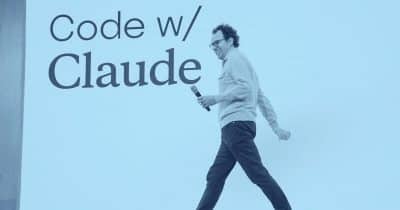
Anthropic's new Claude Mythos 5 model faces user pushback due to stricter safety guardrails that limit functionality. The controversy underscores the ongoing tension between implementing robust AI safety measures and maintaining practical utility for professional workflows.
Anthropic's rollout of stricter safeguards on Claude Mythos 5 reveals a critical friction point in AI development: the balance between safety architecture and user accessibility. Enhanced safety measures, while theoretically beneficial for preventing misuse, create practical constraints that frustrate developers and professionals relying on the model for legitimate, nuanced tasks. This backlash suggests that one-size-fits-all safety approaches may alienate power users who require flexibility in sensitive but legitimate applications like security research, legal analysis, and advanced problem-solving.
The timing of this controversy reflects broader industry trends. As AI capabilities expand, regulators and companies increasingly scrutinize potential harms, pushing developers toward conservative safeguards. However, this defensive posture sometimes overcompensates, blocking legitimate use cases and driving users toward less-regulated alternatives. Anthropic has built its brand partly on responsible AI principles, making this tension particularly acute—the company must maintain safety credibility while remaining competitive in a market where users demand functional tools.
For developers and enterprises, stricter guardrails on Claude Mythos 5 create workflow disruptions and potentially increase costs as teams seek workarounds or alternative models. Organizations in compliance-heavy sectors like finance, healthcare, and cybersecurity may face productivity losses if the model cannot handle nuanced professional requests. This dynamic could fragment the market, with different user segments gravitating toward providers offering varying safety-to-utility ratios.
Anthropologic and similar AI companies must now navigate a delicate recalibration—potentially offering tiered access models, context-aware guardrails, or API-level customization that preserves safety while expanding practical utility. Success depends on differentiating between genuine risk and overcautious restriction.
- →Claude Mythos 5's stricter safeguards are limiting user workflows and generating significant backlash from professional developers and enterprises.
- →The incident highlights the industry-wide challenge of balancing AI safety measures against practical functionality and competitive positioning.
- →Users frustrated with guardrails may migrate to alternative models with less restrictive safety protocols, fragmenting the market.
- →Organizations in regulated sectors face potential productivity losses if the model cannot handle legitimate, nuanced professional tasks.
- →Anthropic may need to implement tiered access or context-aware guardrails to preserve both safety credibility and market competitiveness.