
Anthropic Opposes the Extreme AI Liability Bill That OpenAI Backed
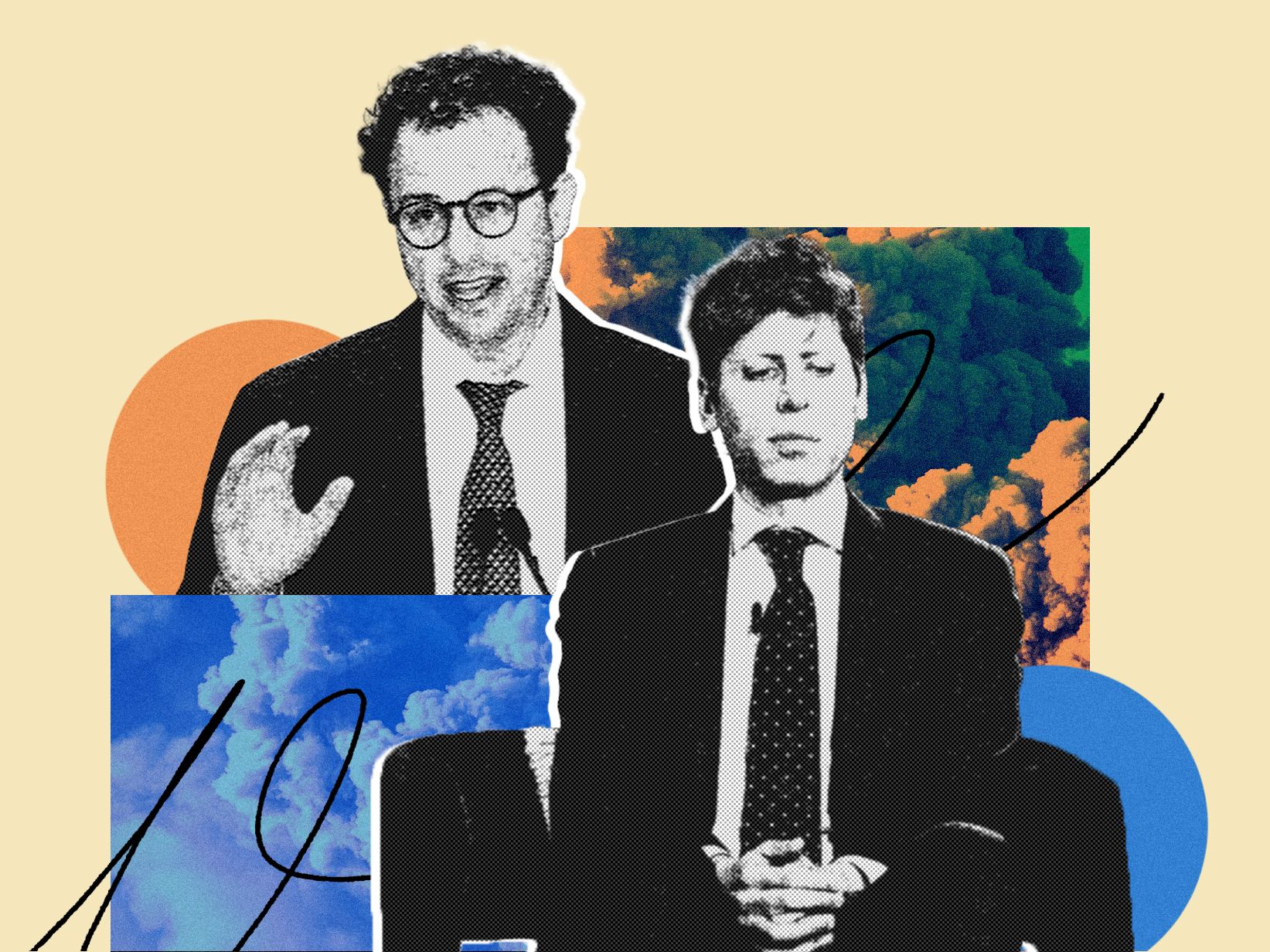
Anthropic and OpenAI have taken opposing stances on a proposed Illinois law regarding AI liability, with Anthropic opposing legislation that would shield AI labs from responsibility for mass casualties or financial disasters, while OpenAI supports the measure. This regulatory disagreement highlights growing tensions within the AI industry over how government should balance innovation with consumer protection.
The Illinois liability bill represents a critical moment in AI regulation, where competing visions of industry accountability are colliding. Anthropic's opposition suggests the company prioritizes long-term regulatory credibility and consumer trust over short-term liability shield benefits, while OpenAI's backing indicates willingness to accept liability caps as a trade-off for operational freedom. This divergence reveals fundamental philosophical differences about how AI companies should approach regulatory relationships.
The broader context involves escalating government scrutiny of AI safety and ethics. As AI systems become more capable and integrated into critical infrastructure, policymakers worldwide are wrestling with liability frameworks that don't yet exist. Illinois's proposal appears to be an early attempt to establish rules, but its apparent extreme favorability to AI labs has triggered industry fragmentation rather than consensus.
For investors and developers, this split signals instability in the regulatory environment. Companies backing liability shields may face reputational risk and potential future regulation reversals, while those opposing them position themselves as safer long-term bets. The market may eventually penalize companies perceived as evading accountability, particularly if high-profile AI incidents occur.
Watching ahead requires monitoring whether other AI leaders align with either position, how Illinois lawmakers respond to Anthropic's opposition, and whether similar bills emerge in other jurisdictions. This clash could establish precedent for how AI regulation develops globally, potentially shaping valuations and operational costs for the entire sector.
- →Anthropic opposes Illinois AI liability legislation that would shield labs from catastrophic damage claims, diverging sharply from OpenAI's support.
- →The disagreement reflects competing industry priorities between innovation protection and consumer accountability frameworks.
- →Liability regulation remains fragmented globally, creating uncertainty for AI companies planning expansion and compliance strategies.
- →Companies perceived as avoiding accountability may face reputational damage and future regulatory targeting if major incidents occur.
- →This regulatory clash could establish precedent for how other jurisdictions approach AI liability frameworks.