
Apple closes its first unionized US store in Towson, Maryland, sparking retaliation claims
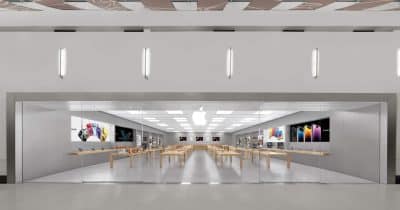
Apple has closed its first unionized US retail store location in Towson, Maryland, with labor advocates claiming the action constitutes retaliation against unionization efforts. The closure raises concerns about whether major corporations may use store shutdowns as a deterrent against future unionization campaigns in the retail sector.
Apple's decision to close its Towson, Maryland location marks a significant moment in the ongoing tension between corporate operations and labor organizing in retail. The timing of this closure—occurring after the store's unionization—fuels allegations that the company is using facility shutdowns as a strategic response to union activity, setting a concerning precedent for labor relations in tech retail.
The unionization of Apple retail stores represents a broader trend of service sector workers organizing for better wages, benefits, and working conditions. This movement gained momentum as major retailers faced labor shortages and employees increasingly demanded fair treatment. Apple stores had historically resisted unionization despite the company's global influence and profitability, making the Towson store's successful union drive a notable achievement for labor organizers.
For investors and market participants, this closure signals potential operational challenges and reputational risks for Apple. Labor disputes and allegations of anti-union retaliation can attract regulatory scrutiny, attract negative media coverage, and impact brand perception among socially conscious consumers. The retail sector continues to grapple with unionization efforts across major chains, and corporate responses to these efforts will shape future labor market dynamics and operational costs.
Moving forward, regulatory bodies may investigate whether the closure violated labor protection laws. The outcome of such inquiries could establish precedent for how major corporations handle unionized facilities, potentially influencing both Apple's future labor relations and broader industry practices. Continued unionization attempts at Apple stores and competitors' locations will likely intensify, creating ongoing operational and legal considerations for retail management.
- →Apple closed its first unionized US store in Towson, Maryland, sparking retaliation allegations from labor advocates
- →The closure may discourage future unionization efforts across Apple's retail network and similar retail sectors
- →Labor organizing in retail continues to accelerate despite corporate pushback and potential facility closures
- →Regulatory investigation into alleged anti-union retaliation could establish important legal precedent for labor protections
- →Corporate responses to unionization efforts increasingly attract scrutiny from investors concerned about reputational and operational risks