
Say hi to "Siri AI"—Apple announces new, more "conversational" voice assistant
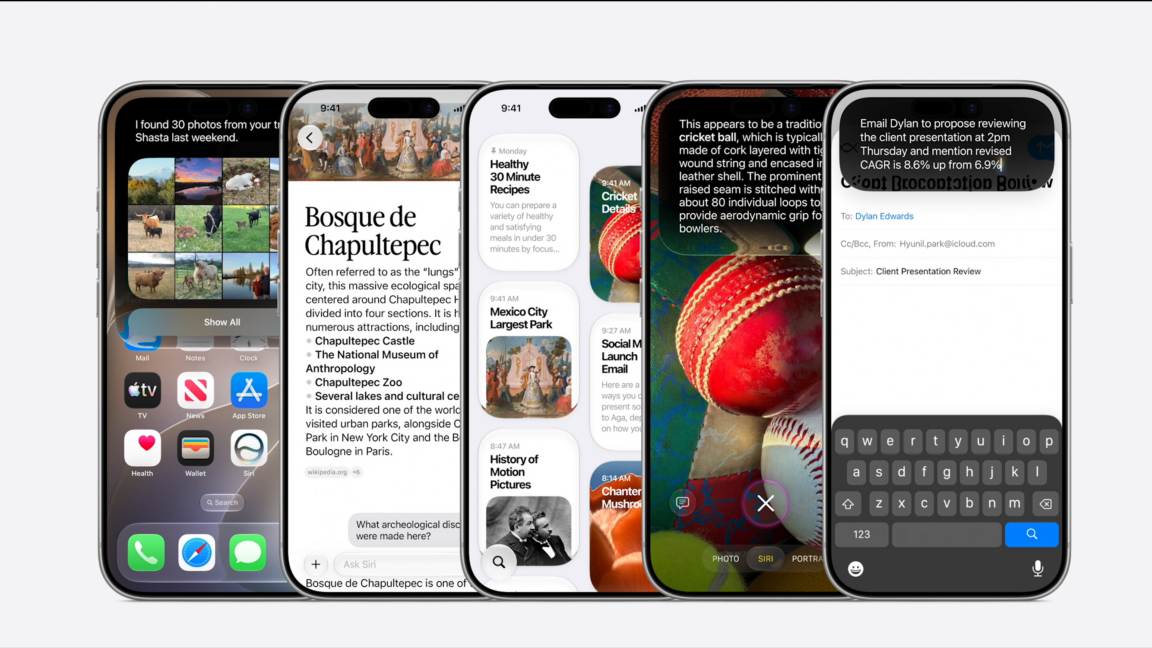
Apple announced an enhanced Siri voice assistant featuring improved conversational capabilities, launching this fall with a two-tiered AI model architecture powered by Google technology. The update represents Apple's strategic shift toward more natural, context-aware voice interactions while leveraging external AI infrastructure.
Apple's Siri overhaul signals the company's recognition that voice assistant technology requires continuous evolution to remain competitive in an increasingly AI-driven market. By implementing a two-tiered, Google-powered model system, Apple balances on-device processing for privacy with cloud-based capabilities for complex tasks. This hybrid approach addresses user expectations for both responsiveness and advanced functionality while maintaining Apple's privacy-first messaging.
The timing reflects broader industry trends where tech giants compete aggressively in conversational AI. Google's Gemini, OpenAI's ChatGPT integration partnerships, and Amazon's Alexa enhancements have pressured Apple to modernize Siri, which historically lagged in natural language understanding and contextual awareness. By explicitly adopting Google's AI infrastructure, Apple prioritizes functionality over internal development, pragmatically recognizing that effective AI requires scale and specialized expertise.
For consumers, enhanced conversational capabilities translate to more intuitive voice commands, better context retention across queries, and reduced friction in daily device interactions. Developers gain access to more sophisticated voice APIs, creating opportunities for third-party integrations. For investors, this move demonstrates Apple's commitment to AI investment without the massive infrastructure buildout required for proprietary models, potentially protecting margins.
Key considerations ahead include how users respond to Google-powered backend processing, privacy implications of expanded data collection, and whether improved conversational abilities drive meaningful engagement increases. Apple's execution speed and user adoption rates will determine whether this update repositions Siri as genuinely competitive or represents incremental catch-up.
- →Siri gains improved conversational abilities through a new two-tiered AI architecture launching fall 2024
- →Apple leverages Google-powered models for backend processing, prioritizing functionality over proprietary development
- →The hybrid on-device and cloud approach balances privacy concerns with advanced AI capabilities
- →Enhanced voice assistant features create opportunities for developers and third-party integrations
- →Apple's strategy reflects broader competitive pressures from rival voice assistants like Alexa and Google Assistant