
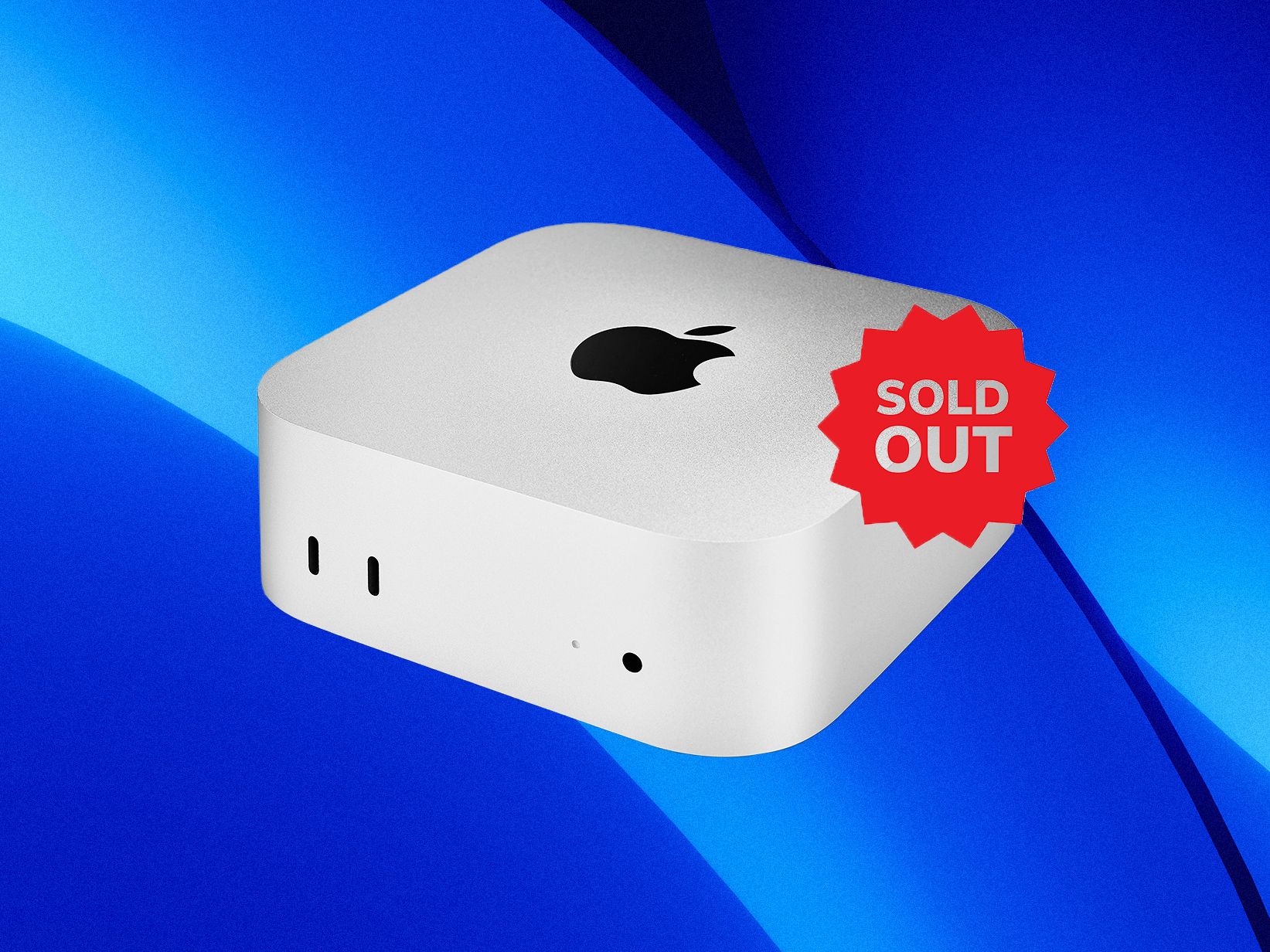
Apple CEO Tim Cook reported that AI adoption is accelerating faster than anticipated, creating supply constraints for Mac Mini devices that could persist for several months. The faster-than-expected demand for AI-capable hardware reflects broader market trends in enterprise and consumer AI deployment.
Apple's supply chain challenges reveal a critical inflection point in AI hardware demand. Cook's statement that adoption has outpaced internal forecasts signals that enterprises and developers are integrating AI tools into workflows more aggressively than Silicon Valley anticipated just months ago. This supply constraint for Mac Mini—Apple's entry-level but capable computing device—suggests demand extends beyond premium segments into price-conscious developer and small business markets seeking AI-ready infrastructure.
The broader context shows AI adoption has shifted from experimental deployments to production implementations. Throughout 2024, enterprises moved beyond pilot projects toward scaling AI applications, creating genuine hardware bottlenecks rather than mere hype cycles. Mac Mini's popularity among developers and small studios makes it a bellwether for this transition; constrained supply indicates real computational demand rather than speculative interest.
This impacts multiple stakeholders differently. For Apple, supply constraints represent both a validation of market demand and a missed revenue opportunity if manufacturing capacity cannot expand quickly. For developers and small businesses, extended wait times force consideration of alternative platforms or competitors like Linux-based systems or cloud computing solutions. For the broader AI infrastructure market, Apple's constraints underscore that specialized hardware demand may outstrip general-purpose manufacturing capacity.
Looking ahead, watch whether Apple expands Mac Mini production capacity or whether this signals systematic underestimation of AI infrastructure needs across the industry. If constraints persist beyond stated timelines, enterprises may shift investment toward competing platforms, reshaping the competitive landscape in AI-capable consumer hardware.
- →AI adoption velocity exceeded Apple's demand forecasting, creating Mac Mini supply shortages lasting several months
- →Hardware constraints indicate AI workloads moved from experimentation to production implementations in enterprise markets
- →Supply constraints may redirect customers toward alternative computing platforms and cloud solutions
- →Apple's forecasting miscalibration suggests broader industry underestimation of AI infrastructure hardware needs
- →Extended lead times could impact developer productivity and influence platform selection decisions