
Apple says its AI is still private, even when it's running on Google's servers
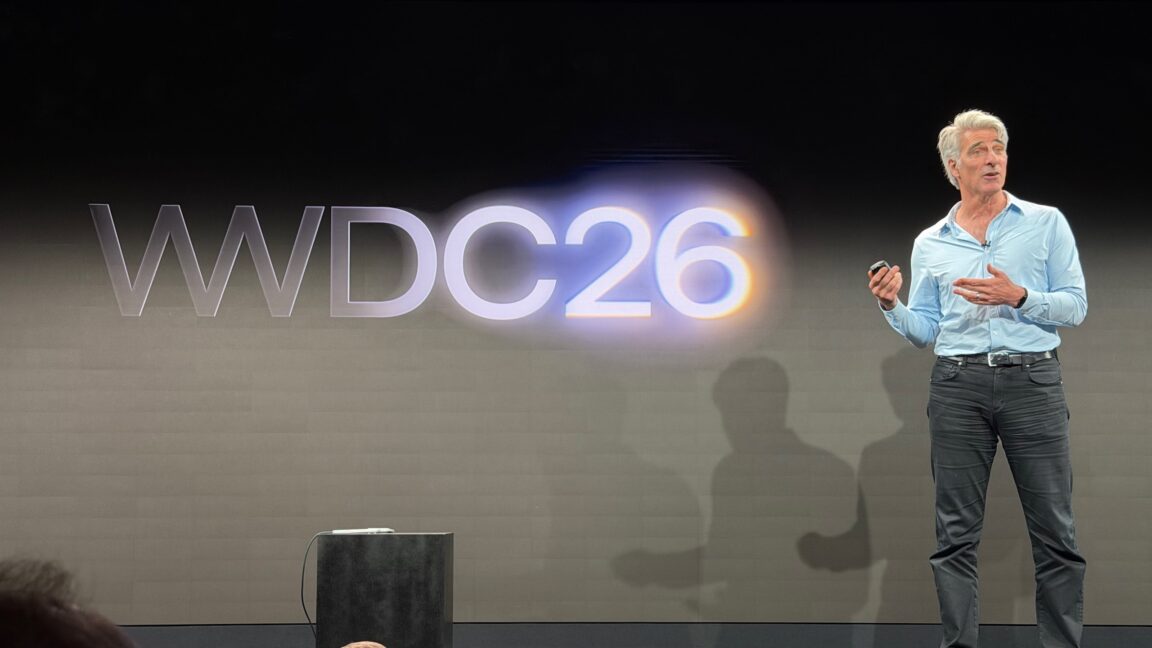
Apple claims its AI models maintain user privacy even when running on Google's cloud infrastructure, asserting that Google cannot access the data or model computations. This arrangement highlights the growing tension between leveraging third-party cloud providers for computational efficiency while preserving proprietary privacy guarantees.
Apple's declaration that its AI remains private despite Google Cloud hosting reflects a critical shift in how major technology companies approach infrastructure partnerships. The arrangement suggests Apple has implemented architectural safeguards—likely involving encryption, isolated compute environments, or proprietary protocols—that prevent Google from inspecting either the AI models or the data they process. This stance becomes increasingly important as companies face mounting pressure to justify their AI deployments to privacy-conscious consumers and regulators.
The broader context reveals a fundamental challenge in modern AI infrastructure: the gap between computational needs and privacy commitments. As AI models grow more resource-intensive, companies require massive computing resources that few possess in-house. Rather than building entirely proprietary data centers or paying premium costs for dedicated infrastructure, Apple's approach leverages existing cloud capacity while maintaining technical barriers. This strategy mirrors broader industry trends where companies negotiate data-sharing restrictions and technical isolation requirements with cloud providers.
For investors and developers, this approach demonstrates that cloud partnerships need not compromise competitive advantages or user trust. Apple's ability to maintain this separation suggests strong engineering capabilities and confidence in its isolation mechanisms. The market impact lies in validating hybrid infrastructure models—proving that companies can achieve scalability without surrendering privacy, potentially reshaping cloud service negotiations across the industry.
Looking ahead, the critical question centers on verification. How will users, regulators, and competitors validate Apple's privacy claims independently? As scrutiny of AI deployments intensifies, transparency mechanisms and third-party auditing of these cloud arrangements may become industry standards.
- →Apple runs AI models on Google Cloud while maintaining technical barriers preventing Google data access.
- →The arrangement demonstrates viability of privacy-preserving hybrid cloud infrastructure for AI workloads.
- →This model could influence how other tech companies negotiate cloud partnerships with privacy constraints.
- →Independent verification of these privacy claims remains an unresolved challenge for regulators and consumers.
- →The strategy balances computational scalability needs against proprietary data protection requirements.