
Apple’s revamped AI Siri seen as long-term strategy amid PC, mobile market challenges
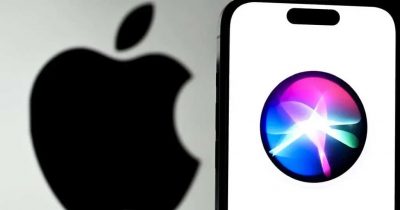
Apple is pursuing a long-term strategy to strengthen its ecosystem through a significant Siri AI overhaul, though the initiative faces technical constraints and is unlikely to drive immediate sales growth. The move reflects Apple's effort to compete in AI-driven markets while navigating structural challenges in PC and mobile segments.
Apple's decision to revamp Siri represents a strategic pivot toward AI integration as a competitive moat rather than a near-term revenue driver. The company recognizes that consumer-facing AI capabilities are becoming table-stakes in consumer electronics, particularly as competitors like Google and Microsoft embed increasingly sophisticated language models into their platforms. By investing in Siri's capabilities, Apple aims to deepen user lock-in within its ecosystem, making switching costs higher and improving service retention.
The broader context involves Apple's vulnerability in growth markets. The PC and mobile segments face saturation in developed markets, forcing Apple to extract value from existing users through services and ecosystem stickiness rather than unit growth. AI-enhanced Siri could improve user experience across devices, potentially increasing engagement with Apple's services portfolio, though this benefit unfolds over quarters, not immediately.
Memory and processing constraints present real technical hurdles. Implementing advanced AI features requires either on-device processing power or cloud infrastructure, both of which carry cost and privacy tradeoffs. These limitations may prevent Siri from matching the capabilities of cloud-native AI assistants in the near term, creating a perception gap with competitors.
Investors should recognize this as a defensive rather than offensive play. Apple is protecting market share and ecosystem value rather than capturing new revenue streams. The initiative succeeds if it reduces churn and extends device upgrade cycles, metrics that take time to materialize in financial results.
- →Apple's Siri overhaul is a long-term ecosystem-strengthening strategy, not a near-term sales driver.
- →Technical constraints around memory and processing power limit Siri's short-term competitive capabilities.
- →The initiative reflects Apple's need to defend market share in saturating PC and mobile markets.
- →Success depends on reducing user churn and extending device lifecycle rather than driving new revenue.
- →Competitor pressure from Google and Microsoft's AI integration makes AI-enhanced assistants a strategic necessity.