
Explosion on cargo vessel in Arabian Gulf escalates US-Iran-Israel tensions
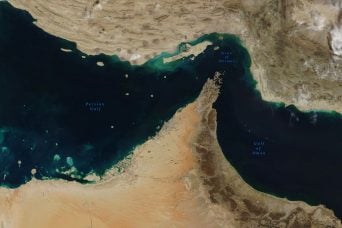
An explosion on a cargo vessel in the Arabian Gulf has intensified geopolitical tensions among the US, Iran, and Israel, raising concerns about regional stability and potential disruption to critical shipping routes. Such escalation could trigger broader military conflict and significantly impact global trade and energy markets.
The cargo vessel explosion in the Arabian Gulf represents a critical flashpoint in an already volatile region where US, Iranian, and Israeli interests collide. Maritime incidents in this chokepoint—through which roughly one-third of global seaborne oil passes—carry outsized geopolitical weight. The incident underscores how regional military posturing can threaten infrastructure essential to global commerce and energy security.
Tensions in the Arabian Gulf have escalated incrementally over years of sanctions, proxy conflicts, and military posturing. This latest incident fits a pattern of tit-for-tat escalations, where unclear attribution and competing narratives fuel further mistrust. Each side interprets events through the lens of existing hostilities, making de-escalation increasingly difficult even if the immediate incident was accidental.
Cryptocurrency and commodity markets are sensitive to geopolitical risk in energy-producing regions. Oil prices typically spike during Middle East tensions, which historically correlates with flight-to-safety demand for Bitcoin and other non-correlated assets. However, sustained regional instability risks broader macroeconomic slowdown, potentially dampening risk appetite across crypto and equities.
Investors should monitor shipping insurance premiums, crude oil futures, and central bank messaging for signs of economic impact. A full-scale military conflict would trigger significant financial market disruption, potentially benefiting safe-haven assets initially before broader recessionary pressures take hold. Watch for diplomatic intervention attempts and any statements from US or regional authorities that signal willingness to negotiate versus further escalation.
- →Arabian Gulf explosion escalates US-Iran-Israel tensions with potential to disrupt one-third of global seaborne oil trade.
- →Regional instability historically correlates with flight-to-safety demand for Bitcoin and defensive assets.
- →Shipping insurance costs and oil futures provide early indicators of market-perceived escalation risk.
- →Broader military conflict could trigger macroeconomic slowdown, offsetting initial safe-haven asset gains.
- →Diplomatic intervention and official statements are critical signals for assessing de-escalation probability.