
Asia shares, oil slip as markets adjust to Fed rate hike expectations
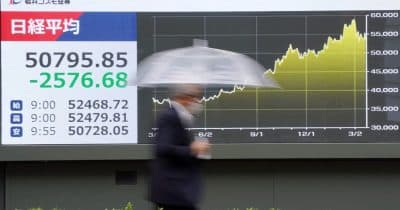
Asian equity markets and oil prices declined as investors reassess expectations for Federal Reserve rate hikes, reflecting broader concerns about global economic slowdown. The selloff signals growing market sensitivity to monetary policy shifts and reveals particular vulnerability in technology sectors amid heightened economic uncertainty.
The decline in Asian shares and oil prices represents a significant repricing of risk assets in response to evolving Federal Reserve policy expectations. When central banks signal tighter monetary conditions, investors typically rotate away from growth-oriented assets and commodities that thrive in low-rate environments. This dynamic creates immediate pressure on equities, particularly in tech-heavy markets across Asia, where valuations have expanded on the assumption of prolonged monetary accommodation.
The underlying catalyst reflects a fundamental reassessment of global economic trajectories. Fed rate hike expectations typically tighten when inflation pressures persist or growth proves more resilient than anticipated, forcing policymakers to prioritize price stability. This environment creates cascading effects: higher borrowing costs reduce corporate profit expectations, currency volatility intensifies as yield differentials shift, and commodity markets contract due to reduced demand outlook and strengthened dollar dynamics.
For investors and traders, this volatility presents both risks and opportunities. Asset correlations tend to compress during uncertainty periods, limiting diversification benefits and increasing drawdown severity. Technology companies with significant international exposure face dual headwinds from higher discount rates and potential demand weakness. Cryptocurrency markets, despite not being directly impacted by traditional rate decisions, often correlate with equity risk sentiment during macro uncertainty, making this environment relevant to digital asset traders.
Market participants should monitor Fed communications closely for any signals about the pace and magnitude of rate adjustments. The persistence of this volatility depends heavily on whether economic data supports hawkish expectations or reveals recessionary pressures that force policy reversal. Watching Asian central bank responses and currency market dynamics will provide early signals about capital flow directions.
- →Fed rate hike expectations are driving down Asian equities and oil prices as investors reassess risk asset valuations.
- →Technology sectors face particular pressure due to their sensitivity to discount rate changes and growth concerns.
- →Higher borrowing costs and currency volatility create challenging conditions for international-focused companies.
- →Cryptocurrency traders should watch equity market correlations closely as digital assets often move with risk sentiment during macro uncertainty.
- →Future Fed communication and economic data releases will be critical in determining whether volatility continues or stabilizes.