
ASML denies US claims of EUV machine presence in China amid export controls concerns
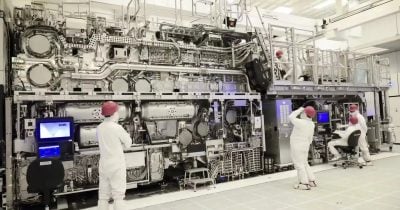
ASML has denied US allegations that its advanced EUV lithography machines are present in China, amid escalating export control tensions. The denial underscores geopolitical friction over semiconductor manufacturing technology and raises questions about supply chain security and compliance with US-led restrictions on advanced chip production equipment.
The dispute between ASML and US authorities reflects deepening concerns over semiconductor technology transfer and China's chip manufacturing capabilities. EUV lithography machines represent the cutting edge of chip production technology, essential for manufacturing advanced processors used in artificial intelligence, computing, and defense applications. US export controls aim to prevent China from accessing this technology, but allegations of unauthorized presence suggest potential circumvention of these restrictions.
This conflict emerges from years of US-China technological competition and efforts to decouple critical supply chains. The Biden administration has pursued aggressive semiconductor export controls through the Commerce Department, targeting not only finished products but manufacturing equipment itself. ASML, as a Dutch company supplying to global markets, faces pressure from multiple governments with competing interests—maintaining business relationships while adhering to export restrictions.
For the tech industry and investors, this situation creates supply chain uncertainty and regulatory risk. Semiconductor equipment manufacturers face heightened scrutiny and potential liability for unauthorized exports. Chip designers and manufacturers dependent on advanced production capacity may experience delays or forced geographic diversification of manufacturing. The dispute also signals that US-China tech competition will remain contentious, affecting investment strategies in semiconductor and AI sectors.
Monitoring ASML's official compliance statements, any US regulatory actions, and international trade negotiations will clarify the trajectory of equipment export policies. Companies with exposure to semiconductor supply chains should assess geopolitical risk and diversification strategies as these tensions evolve.
- →ASML denies US claims about EUV machines in China, highlighting export control enforcement challenges
- →Advanced lithography equipment remains a critical flashpoint in US-China technological competition
- →Semiconductor supply chain uncertainty may impact chip production timelines and manufacturing strategies
- →Equipment manufacturers face increased compliance pressure and regulatory scrutiny globally
- →Ongoing geopolitical tensions will shape semiconductor industry investment and capacity planning