
Atlanta Federal Reserve cuts first-quarter GDP estimate to 1.6% as consumer spending softens
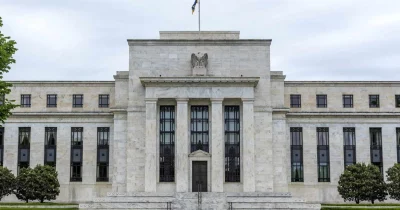
The Atlanta Federal Reserve has reduced its first-quarter GDP growth estimate to 1.6%, reflecting a slowdown driven primarily by weakening consumer spending. While business investment remains robust, the cooling demand signal warrants cautious positioning for investors.
The Atlanta Federal Reserve's downward revision of Q1 GDP to 1.6% represents a meaningful slowdown in economic momentum. This estimate, derived from the Fed's GDPNow nowcast model, captures real-time economic data and serves as a crucial barometer for near-term growth prospects. Consumer spending contraction is particularly significant because it represents roughly 70% of U.S. economic activity; when households pull back on purchases, it typically signals either reduced confidence or constrained purchasing power.
This cooling follows a period of elevated interest rates maintained by the Federal Reserve to combat inflation. Higher borrowing costs reduce discretionary spending power, particularly for big-ticket items financed through credit. Simultaneously, wage growth hasn't kept pace with inflation in many sectors, squeezing middle-class purchasing power despite tight labor markets. The contrast between softening consumer activity and sustained business investment suggests corporate confidence remains intact even as household demand wanes.
For cryptocurrency and risk asset markets, slower economic growth traditionally pressures valuations and investor appetite for speculative assets. A 1.6% GDP growth rate hovers near recession territory, which historically prompts central banks to shift toward rate cuts—potentially bullish for equities and crypto over a 6-12 month horizon. However, the immediate impact tends toward caution as markets reprrice growth expectations downward.
Investors should monitor whether this slowdown proves temporary or signals broader economic deterioration. Upcoming employment data, inflation readings, and retail sales figures will clarify whether consumer pullback reflects seasonal patterns or structural weakness. The divergence between corporate and consumer health creates uncertainty that typically benefits defensive positions over risk assets in the near term.
- →Atlanta Fed cuts Q1 GDP estimate to 1.6% amid softening consumer spending
- →Consumer pullback poses risk despite continued robust business investment
- →Slower growth may eventually prompt Fed rate cuts, creating longer-term crypto tailwinds
- →Economic slowdown suggests caution warranted in risk asset positioning near-term
- →Upcoming employment and inflation data critical for clarifying growth trajectory