
Bahrain declares national emergency amid Iran military threat
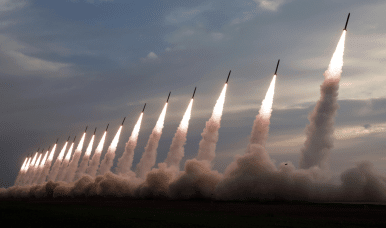
Bahrain has declared a national emergency in response to Iranian military threats, signaling escalating regional tensions in the Middle East. This geopolitical development could impact cryptocurrency markets and blockchain infrastructure, particularly exchanges and financial services operating in the region.
Bahrain's emergency declaration represents a significant escalation in Gulf region tensions, reflecting deteriorating security conditions between Iran and its Arab neighbors. The declaration underscores persistent instability that has characterized Middle Eastern geopolitics for years, with Bahrain positioned as a strategic ally of Saudi Arabia and the United States. This move suggests internal assessment of imminent military risk rather than routine precautionary measures.
Regionally, Iran-Gulf tensions have repeatedly influenced global energy markets and investor sentiment. Bahrain's emergency status could trigger capital flight from the region, affecting both traditional financial centers and emerging cryptocurrency hubs. The kingdom has become increasingly significant in crypto adoption, hosting blockchain conferences and fintech initiatives, making geopolitical stability directly relevant to digital asset markets.
For cryptocurrency investors and exchanges, regional military escalation typically drives risk-off sentiment and increased volatility across asset classes. Capital may flow toward safe-haven cryptocurrencies like Bitcoin, while emerging market-focused projects face headwinds. Exchanges operating in the Gulf face operational uncertainty; Bahrain's emergency declaration could create compliance complications or service disruptions.
Looking forward, investors should monitor escalation indicators and potential sanctions announcements that could freeze Iranian or Bahraini assets. Any broader military conflict would likely trigger broader market selloffs, creating both risks and opportunities for tactical traders. The cryptocurrency community should watch for regulatory responses, as governments may restrict financial flows or increase monitoring of digital asset transactions in conflict zones.
- →Bahrain's emergency declaration signals real military escalation risk in the Persian Gulf region.
- →Regional geopolitical instability typically triggers cryptocurrency market volatility and safe-haven asset demand.
- →Exchanges and fintech services operating in the Gulf face operational and regulatory uncertainty.
- →Investors should monitor for potential sanctions or financial restrictions affecting regional crypto activities.
- →Broader Middle Eastern conflict would likely trigger significant portfolio reallocation across crypto markets.