
Baltic states urge EU to expedite ban on Russian oil imports
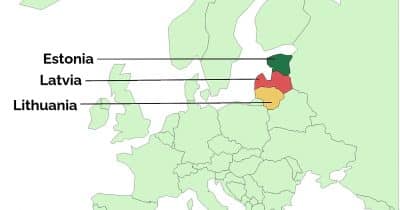
Baltic states are pushing the EU to accelerate its ban on Russian oil imports to strengthen European energy independence and reduce Russia's geopolitical leverage. This policy shift could reshape global energy markets and have indirect implications for cryptocurrency markets sensitive to geopolitical tensions and energy costs.
The Baltic states' push for an expedited Russian oil ban represents a significant escalation in EU sanctions policy against Russia. This initiative stems from growing concerns about energy security in Eastern Europe and the need to diminish Russia's economic power during ongoing geopolitical tensions. The Baltic region, historically dependent on Russian energy supplies, has become increasingly vocal about diversifying away from Russian resources as a strategic priority.
This energy decoupling trend reflects broader shifts in European geopolitical strategy. The EU has been gradually reducing Russian energy dependency, but accelerating this timeline signals heightened regional security concerns and a commitment to long-term strategic independence. Such policy changes typically require coordination among EU member states with varying economic interests, making expedited timelines politically challenging.
For cryptocurrency and blockchain markets, geopolitical instability and energy policy shifts carry meaningful implications. Higher oil prices stemming from supply disruptions can increase operational costs for crypto mining and data centers, affecting profitability metrics. Additionally, European energy regulations increasingly influence crypto infrastructure development, as nations balance energy security with blockchain industry growth. Investors tracking macro trends should monitor how accelerated sanctions affect global energy prices and subsequently impact mining economics and institutional crypto adoption.
The outcome depends on EU consensus-building and alternative energy infrastructure development. Faster adoption timelines could accelerate European renewable energy investments, which indirectly supports crypto mining transitions toward sustainable energy sources. Market participants should watch for official EU policy announcements and energy price volatility as key indicators of implementation speed.
- →Baltic states advocate for faster EU Russian oil import bans to achieve energy independence and weaken Russian geopolitical influence
- →Accelerated energy sanctions could increase global oil prices, affecting cryptocurrency mining operational costs
- →European energy policy shifts create pressure for crypto infrastructure to transition toward renewable energy sources
- →Geopolitical tensions historically drive volatility in both energy and cryptocurrency markets
- →Policy implementation speed depends on consensus among EU members with differing economic interests