
US strikes Iranian military sites as Bitcoin drops below $73K on surging geopolitical risk
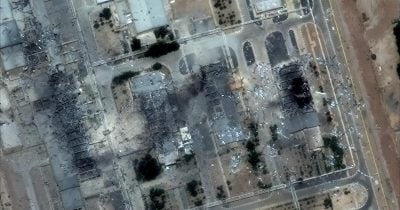
US military strikes on Iranian sites triggered a sharp Bitcoin selloff below $73,000 as geopolitical tensions escalated, exposing cryptocurrency markets' susceptibility to macroeconomic and political shocks. The incident underscores how external crises can drive volatility in digital assets while drawing increased regulatory attention to crypto's role during periods of global uncertainty.
The US military action against Iranian targets created an immediate risk-off sentiment across financial markets, with Bitcoin declining below the $73,000 threshold as investors fled to traditional safe-haven assets. This reaction demonstrates the persistent correlation between geopolitical events and cryptocurrency volatility, particularly when global tensions escalate unexpectedly. Bitcoin's role as a purported hedge against macroeconomic instability faces real-world testing during moments of acute geopolitical stress, yet the market consistently moves in tandem with equities and risk assets rather than acting as an independent safe harbor.
Historically, cryptocurrency markets have struggled to decouple from broader macroeconomic forces despite narratives around digital assets as inflation hedges or geopolitical insurance. The Middle Eastern tensions stem from ongoing regional instability, with crypto markets remaining acutely sensitive to escalation scenarios that could disrupt global trade, energy markets, and financial stability. This vulnerability reflects Bitcoin's relatively short history and limited institutional adoption compared to traditional assets with centuries of crisis-tested resilience.
For market participants, the immediate impact manifests as increased liquidations, margin calls, and portfolio rebalancing pressures. Regulators monitoring crypto markets during periods of heightened geopolitical risk may accelerate scrutiny around leverage, custody standards, and systemic interconnectedness. The incident raises questions about whether cryptocurrency markets adequately serve their theoretical purpose during genuine crises or merely amplify volatility.
Market observers should monitor whether tensions persist or resolve, as sustained geopolitical uncertainty typically extends crypto volatility. Federal Reserve policy responses, traditional market correlations, and institutional positioning will shape Bitcoin's recovery trajectory in coming weeks.
- →Bitcoin dropped below $73,000 amid US military strikes on Iran, demonstrating crypto's acute sensitivity to geopolitical shocks.
- →Cryptocurrency markets failed to exhibit safe-haven characteristics, moving downward alongside equities rather than providing portfolio diversification.
- →Geopolitical volatility may accelerate regulatory scrutiny of crypto markets, particularly around leverage and systemic risk exposure.
- →Sustained Middle Eastern tensions could extend near-term volatility and complicate Bitcoin's technical recovery patterns.
- →The incident highlights structural limitations in crypto's macroeconomic hedge narrative during real-world crisis scenarios.