
Bitcoin Miners Emerge as 'Power Landlords' of AI Boom—And Revenue Will Surge: Bernstein
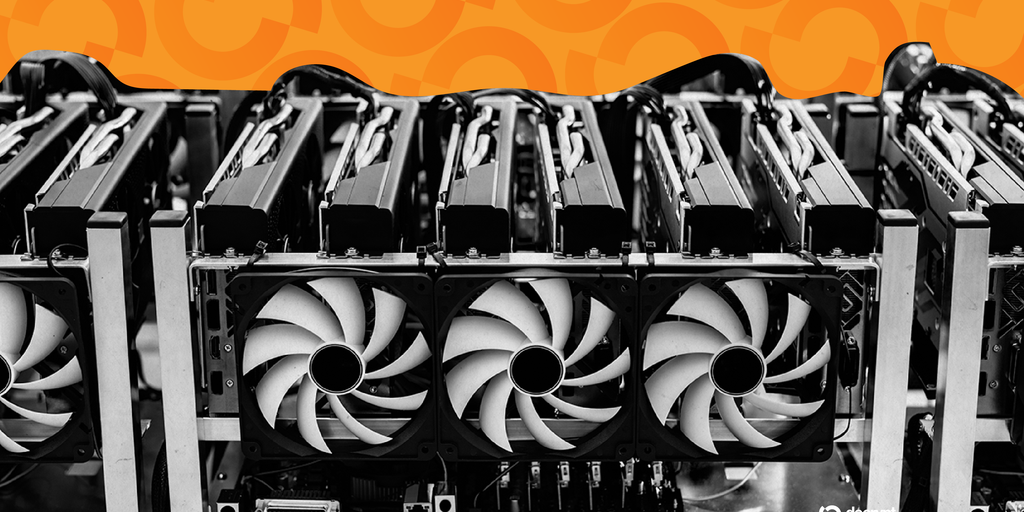
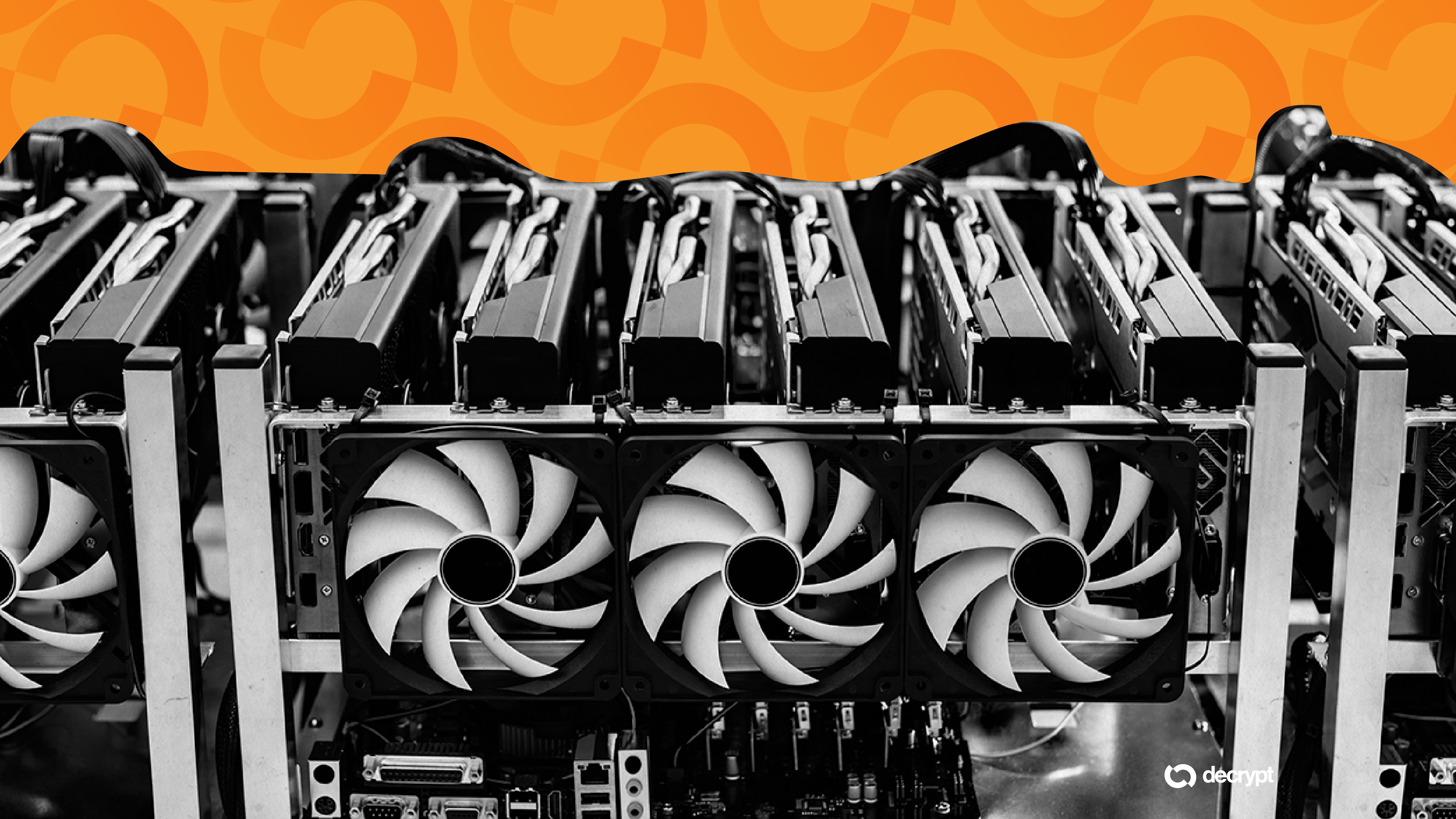
Bernstein analysts have raised bullish outlooks on Bitcoin miners TeraWulf and Cipher Digital, positioning them as 'power landlords' capitalizing on the AI boom's massive electricity demands. The research suggests mining companies will experience significant revenue growth by monetizing their computing infrastructure and power resources to support AI workloads.
Bitcoin miners are experiencing a strategic pivot from pure cryptocurrency validation to dual-purpose operations that leverage their substantial electrical infrastructure for AI computing. This convergence reflects the AI industry's insatiable appetite for power and computational resources, creating a new revenue stream for mining operators who already possess grid connections, cooling systems, and data center capabilities. Bernstein's Outperform ratings on TeraWulf and Cipher Digital signal institutional confidence in this business model transformation.
The mining industry historically faced margin compression from competitive hash rate growth and volatile Bitcoin prices. The shift toward becoming 'power landlords' diversifies revenue away from block rewards and transaction fees, which are subject to market cycles. By leasing excess computational capacity or providing power infrastructure to AI companies, miners can stabilize earnings and justify higher valuations based on reliable, long-term contracts rather than volatile cryptocurrency rewards.
For investors, this thesis implies mining stocks may outperform based on AI adoption rather than Bitcoin price appreciation alone. The sector gains exposure to secular AI growth trends while maintaining cryptocurrency upside optionality. However, success depends on miners' ability to secure power supplies, navigate regulatory frameworks around energy consumption, and compete with specialized AI data center operators.
Market participants should monitor whether other major miners adopt similar strategies and how traditional AI infrastructure providers respond to mining competition. The sustainability of this model depends on maintaining power cost advantages and securing long-term energy contracts at favorable rates in an increasingly competitive landscape.
- →Bernstein rates TeraWulf and Cipher Digital as Outperform, citing growth from AI-driven power demand
- →Bitcoin miners are diversifying revenue by monetizing excess computing power and electrical infrastructure for AI companies
- →The 'power landlord' model reduces reliance on volatile Bitcoin prices and block rewards
- →Miners' existing grid connections and cooling systems provide competitive advantages over new AI data center entrants
- →Success hinges on securing affordable long-term power contracts and navigating regulatory scrutiny over energy consumption