
US military was poised to strike Iran before Trump called it off, sending Bitcoin surging
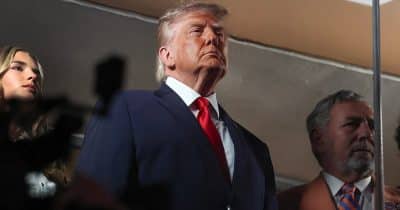
A planned US military strike against Iran was averted when Trump called off the operation, triggering a Bitcoin price surge as markets reacted to reduced geopolitical tensions. The incident underscores cryptocurrency's sensitivity to global instability and its perceived utility in circumventing sanctions during international conflicts.
Geopolitical brinkmanship directly influences cryptocurrency valuations through multiple mechanisms. When military confrontation appears imminent, investors seek assets perceived as resistant to government control and sanctions—properties crypto markets leverage during periods of international friction. Trump's decision to halt military operations removed an immediate catalyst for escalation, allowing risk sentiment to recover and pushing Bitcoin higher as the acute threat subsided.
The broader context reveals how sanctions regimes have become standard foreign policy tools, creating structural demand for decentralized financial infrastructure. Iran specifically has demonstrated active interest in cryptocurrency to bypass US-imposed economic restrictions, making any military escalation carry direct implications for crypto adoption and utility. Previous sanctions cycles saw measurable increases in peer-to-peer crypto trading volumes in affected regions, establishing a proven correlation between geopolitical tension and blockchain activity.
For cryptocurrency markets, geopolitical volatility functions as a double-edged sword. Acute crisis scenarios drive speculative inflows into perceived safe-haven assets like Bitcoin, creating sharp rallies. However, sustained military conflict or expansive sanctions regimes create regulatory pressure as governments prioritize enforcement mechanisms against sanctions evasion. The rapid reversal in this case—from strike preparation to cancellation—produced a relatively clean positive signal that risk appetite could recover.
Market participants should monitor ongoing US-Iran tensions and their evolution under the Trump administration. Regulatory responses to crypto's role in sanctions evasion represent the more significant long-term risk, potentially constraining institutional adoption even as geopolitical uncertainty supports price appreciation in the near term.
- →Military de-escalation triggered Bitcoin gains as markets repriced geopolitical risk downward
- →Cryptocurrency's sanctions-evasion utility remains a primary value driver during international conflicts
- →Trump administration policies on Iran engagement will significantly influence crypto regulatory frameworks
- →Geopolitical volatility creates competing pressures: short-term price support versus long-term regulatory headwinds
- →Iran's demonstrated reliance on crypto for economic circumvention links blockchain adoption directly to sanctions policy