
Bulgaria snap elections set for April 19 after Orbán’s defeat in Hungary
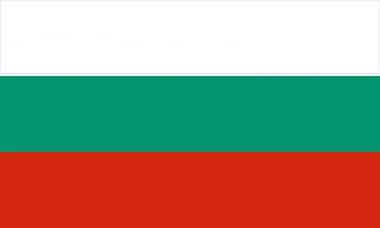
Bulgaria has scheduled snap elections for April 19, following political developments tied to Viktor Orbán's electoral setback in Hungary. The elections carry significant implications for EU policy alignment, particularly regarding sanctions against Russia and financial support for Ukraine, as Bulgaria's President Radev exhibits increasingly eurosceptic positions that could reshape European consensus.
Bulgaria's snap election announcement occurs within a broader recalibration of Central-Eastern European political alignment within the EU. The timing follows Hungary's recent electoral developments, suggesting regional political realignments are accelerating. President Radev's documented euroscepticism indicates potential shifts in Bulgaria's voting patterns on critical EU matters, particularly those involving Russia policy and Ukraine aid packages that require consensus or near-consensus support.
Historically, Bulgaria has navigated complex positioning between Western institutions and Russian interests, given its energy dependencies and historical ties. Recent EU sanctions regimes and reconstruction aid commitments to Ukraine have required unanimous member support, making any Bulgarian policy shift consequential for European strategic cohesion. Radev's political trajectory suggests Bulgaria may increasingly align with the Hungary-Poland bloc that has occasionally obstructed EU consensus on Russian sanctions and Ukraine financing.
For cryptocurrency and blockchain markets, EU political fragmentation directly impacts regulatory frameworks and institutional adoption timelines. Persistent disagreement among member states on fundamental geopolitical issues often correlates with delayed or inconsistent crypto regulation implementation across the bloc. Bulgaria's election could influence how quickly or uniformly EU digital asset rules are enforced across member states.
Investors should monitor post-election government formation in Bulgaria, particularly concerning EU committee assignments and voting blocs. Any shift toward more obstructionist EU postures could delay harmonized crypto regulation, while simultaneously increasing volatility in macro markets sensitive to geopolitical risk. The April 19 election represents a potential inflection point for EU institutional functionality affecting both traditional markets and digital asset trading dynamics.
- →Bulgaria's April 19 snap elections could shift EU consensus on Russia sanctions and Ukraine aid
- →President Radev's euroscepticism suggests potential alignment with Hungary-Poland obstructionist bloc
- →EU political fragmentation may delay harmonized cryptocurrency regulation across member states
- →Election outcome affects geopolitical risk premiums impacting both macro and crypto markets
- →Bulgaria's energy dependencies and historical Russian ties complicate its strategic positioning