
Bulk carrier attacked near Strait of Hormuz, impacting traffic normalization odds
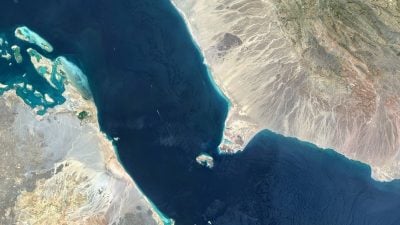
A bulk carrier vessel was attacked near the Strait of Hormuz, a critical maritime chokepoint controlling global oil and liquefied natural gas flows. The incident heightens geopolitical tensions and undermines efforts to stabilize regional shipping routes, with potential ripple effects across energy markets and broader economic stability.
The attack on a bulk carrier near the Strait of Hormuz represents an escalation in maritime security incidents affecting one of the world's most strategically vital waterways. Approximately 21% of global petroleum and 25% of liquefied natural gas transit through this narrow channel, making any disruption to shipping patterns a matter of immediate global concern. This incident demonstrates how regional instability directly translates into commodity price volatility and supply chain uncertainty.
These attacks occur against a backdrop of intensifying geopolitical friction in the Middle East. Previous incidents involving tankers and commercial vessels have gradually eroded confidence in maritime safety, prompting some shipping companies to reroute around Africa—a costly alternative that extends transit times by weeks and increases operational expenses. Each attack signals a potential breakdown in regional diplomatic frameworks meant to prevent precisely these kinds of incidents.
For cryptocurrency and broader financial markets, maritime disruptions trigger risk-on shifts that benefit safe-haven assets and commodities. Energy price spikes directly inflate production costs across industries, potentially accelerating inflation concerns and influencing central bank policy decisions. Crypto markets respond sensitively to macroeconomic uncertainty, often experiencing volatility during geopolitical escalations as investors reassess risk exposure.
Monitoring comes down to tracking shipping insurance premiums, OPEC production decisions, and diplomatic communications from key stakeholders. If attacks continue without consequence or diplomatic resolution, sustained energy price elevation could compress global economic growth margins and reshape investment allocations toward defensive positions, indirectly affecting appetite for volatile assets like cryptocurrencies.
- →Attack on bulk carrier near Strait of Hormuz signals deteriorating maritime security and renewed geopolitical tension
- →Strait of Hormuz handles 21% of global petroleum trade, making disruptions material to worldwide energy markets
- →Shipping reroutes around Africa cost weeks and substantial fuel expenses, compounding inflation pressures
- →Geopolitical crises typically drive crypto volatility as investors flee risk assets and reassess macroeconomic outlooks
- →Continued incidents without diplomatic resolution could sustain elevated energy prices and reduce global growth expectations