
BYD plans €2B investment in European charging infrastructure
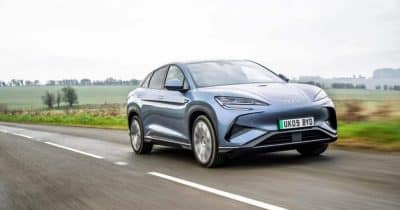
BYD plans to invest €2 billion in European charging infrastructure, a move that could significantly reshape the EV market by challenging established automakers and accelerating electric vehicle adoption across the continent.
BYD's €2 billion commitment to European charging infrastructure represents a strategic expansion beyond vehicle manufacturing into the ecosystem that supports EV adoption. This investment signals the Chinese automaker's confidence in European market penetration and addresses a critical gap: charging availability remains a primary barrier to EV adoption in many European regions. By controlling both vehicle supply and charging access, BYD positions itself as a vertically integrated competitor against legacy automakers who have historically relied on third-party charging networks.
This announcement reflects broader industry consolidation trends where EV manufacturers increasingly recognize that vehicle sales alone are insufficient. The charging infrastructure market remains fragmented across Europe, with inconsistent standards and coverage, creating opportunity for well-capitalized entrants. BYD's investment could accelerate standardization and deployment speed, particularly in underserved markets where traditional players have moved slowly.
For the EV market specifically, increased charging availability directly impacts consumer purchase decisions and vehicle utilization rates. Enhanced infrastructure reduces range anxiety and total cost of ownership, potentially compelling price-sensitive European consumers toward BYD vehicles. Legacy automakers face intensified competitive pressure as BYD removes a significant adoption barrier through direct infrastructure investment.
Looking forward, monitoring BYD's deployment timeline and coverage map becomes crucial. Success could trigger defensive infrastructure investments from competitors like Tesla, VW, and others, or spark regulatory responses around charging standards and access. The investment may also influence European policy discussions about infrastructure subsidies and private sector participation. Regional variations in BYD's rollout could reveal which European markets offer optimal returns for charging infrastructure deployment.
- →BYD's €2B infrastructure investment vertically integrates charging access with vehicle sales, differentiating its competitive strategy.
- →Addressing charging availability removes a primary EV adoption barrier, potentially accelerating European market penetration.
- →Legacy automakers face intensified competition as BYD controls both supply and supporting ecosystem.
- →Investment signals confidence in European EV market growth and regulatory environment stability.
- →Successful deployment could trigger competitive infrastructure investments and regulatory discussions around charging standards.