
University of Cambridge develops world-first AI-designed vaccine that passed human trials
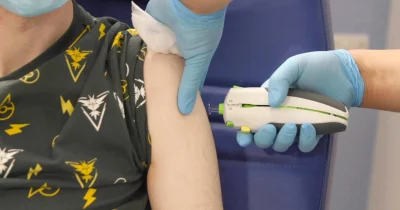
The University of Cambridge has developed the first AI-designed vaccine to successfully pass human trials, demonstrating the potential for artificial intelligence to accelerate vaccine development. This breakthrough could enable faster responses to emerging viral threats and expand vaccine accessibility globally.
The successful human trials of Cambridge's AI-designed vaccine represent a significant milestone in computational biology and medical innovation. Rather than relying solely on traditional pharmaceutical development timelines—which typically span 5-10 years—AI-driven design can identify optimal vaccine candidates in weeks or months. This compression of development cycles has profound implications for pandemic preparedness and public health response infrastructure.
The convergence of machine learning, immunology, and protein engineering has been building for years, with researchers increasingly using AI to predict protein structures and optimize immune responses. Cambridge's achievement validates this approach at the clinical stage, proving that AI-generated candidates can match or exceed safety and efficacy profiles of conventionally developed vaccines. This success will likely catalyze investment in computational vaccine platforms and attract biotech talent to AI-focused research programs.
For the broader ecosystem, this development creates opportunities for biotech startups, pharmaceutical companies integrating AI pipelines, and computing infrastructure providers supporting large-scale molecular simulations. The potential for broad-spectrum protection against viral variants addresses a critical gap in pandemic response capabilities. Organizations developing vaccines for RSV, HIV, and other rapidly-evolving pathogens will prioritize AI-assisted design methodologies.
The next phase involves scaling production, establishing regulatory frameworks for AI-designed therapeutics, and demonstrating cost advantages over traditional methods. Market observers should track clinical trial data for variant protection claims and manufacturing partnerships that signal commercial viability. If production costs decline significantly, accessibility in lower-income regions could expand dramatically.
- →AI-designed vaccines have now demonstrated safety and efficacy in human trials, validating computational drug design at scale.
- →Compressed development timelines could enable rapid responses to emerging viral variants and novel pathogens.
- →This breakthrough will likely accelerate investment in AI-driven biotech platforms and public health technology infrastructure.
- →Regulatory frameworks for AI-designed therapeutics remain underdeveloped and will require government coordination.
- →Cost reduction and manufacturing scalability are critical next steps for real-world public health impact.