
CENTCOM intensifies Strait of Hormuz blockade, redirects 61 vessels
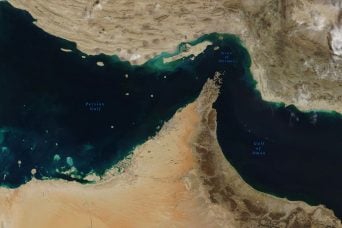
CENTCOM has intensified its blockade of the Strait of Hormuz and redirected 61 vessels, escalating geopolitical tensions in a region critical to global energy infrastructure. The action threatens to disrupt oil supply chains and international diplomatic relations, with potential ripple effects across commodity and financial markets.
The intensification of the Strait of Hormuz blockade represents a significant escalation in regional military posturing with far-reaching economic consequences. The Strait of Hormuz serves as a chokepoint for approximately 30% of globally traded oil, making any disruption to vessel passage a direct threat to energy security worldwide. CENTCOM's redirection of 61 vessels signals a deliberate policy shift that goes beyond routine naval operations, indicating heightened strategic commitment to maintaining or establishing control over this critical waterway.
Historically, the Strait of Hormuz has been a flashpoint for geopolitical tensions, with previous incidents causing immediate crude oil price spikes and sustained inflationary pressure. The current blockade builds on a pattern of escalating regional militarization and competing interests among regional powers seeking influence over maritime trade routes. This action reflects broader tensions that have periodically threatened shipping security in the Persian Gulf.
The market implications extend beyond energy sectors. Disrupted oil supplies typically trigger commodity price increases, which cascade through transportation, manufacturing, and consumer goods sectors. Crypto markets often respond inversely to macroeconomic stress—rising geopolitical risk premiums historically correlate with increased crypto volatility as investors hedge against traditional asset uncertainty. Rising oil prices contribute to inflation fears, potentially affecting central bank policy trajectories that impact crypto adoption and institutional investment appetite.
Monitoring the diplomatic response and whether additional nations deploy naval assets will be critical. If the blockade persists or expands, expect sustained pressure on energy prices, broader inflation concerns, and flight-to-safety dynamics that typically benefit both precious metals and alternative assets like cryptocurrency.
- →CENTCOM redirected 61 vessels amid intensified Strait of Hormuz blockade, disrupting a critical global oil transit route
- →The blockade threatens to disrupt approximately 30% of globally traded oil, triggering potential supply chain and energy security concerns
- →Geopolitical escalation typically triggers commodity price spikes, inflation pressures, and flight-to-safety investment behavior
- →Crypto markets may experience increased volatility as investors seek hedges against macroeconomic uncertainty from energy disruptions
- →Further diplomatic developments and additional military deployments will determine the severity and duration of supply chain impacts