
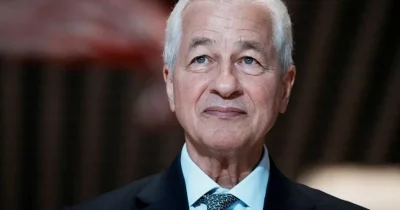
CEO confidence in economic conditions is deteriorating as geopolitical tensions, particularly surrounding an ongoing Iran conflict, create uncertainty. This loss of business leader optimism typically precedes market volatility and could impact consumer spending, investment decisions, and broader economic growth.
CEO confidence serves as a leading indicator for economic health and corporate investment cycles. When business leaders lose confidence, they typically reduce capital expenditures, hiring plans, and growth initiatives—dynamics that ripple through equity markets and consumer sectors. Geopolitical tensions, particularly conflicts involving major oil-producing regions like Iran, introduce unpredictable variables affecting energy prices, supply chains, and global trade flows. This uncertainty makes long-term business planning more difficult and increases risk premiums across asset classes.
Historically, geopolitical crises trigger flight-to-safety behavior in markets, with investors rotating from growth-oriented equities toward defensive assets like government bonds, gold, and in the crypto context, stablecoins. The divergence in CEO confidence mentioned suggests some sectors maintain optimism while others face headwinds, creating uneven market exposure. Consumer discretionary stocks typically suffer most during confidence declines as businesses anticipate reduced consumer spending.
For crypto and digital asset markets, geopolitical instability can drive demand for decentralized alternatives and non-correlated assets, though macroeconomic contraction generally suppresses risk appetite. Institutional investors may hedge against geopolitical uncertainty through cryptocurrencies positioned as inflation hedges or alternative stores of value. Developers in the crypto space should monitor traditional market volatility closely, as sustained risk-off sentiment can compress valuations across the digital asset ecosystem even as fundamental adoption continues.
- →CEO confidence erosion signals potential economic slowdown and reduced corporate investment spending
- →Geopolitical tensions create supply chain disruptions and energy price volatility affecting multiple sectors
- →Market bifurcation expected with defensive sectors outperforming growth and consumer discretionary segments
- →Crypto markets may see increased demand for non-correlated assets during sustained geopolitical uncertainty
- →Investors should prepare for increased volatility and potential rotation toward safe-haven assets