
New CFTC Rules on Prediction Markets Would Ban Wagers on Ouster of US Enemies

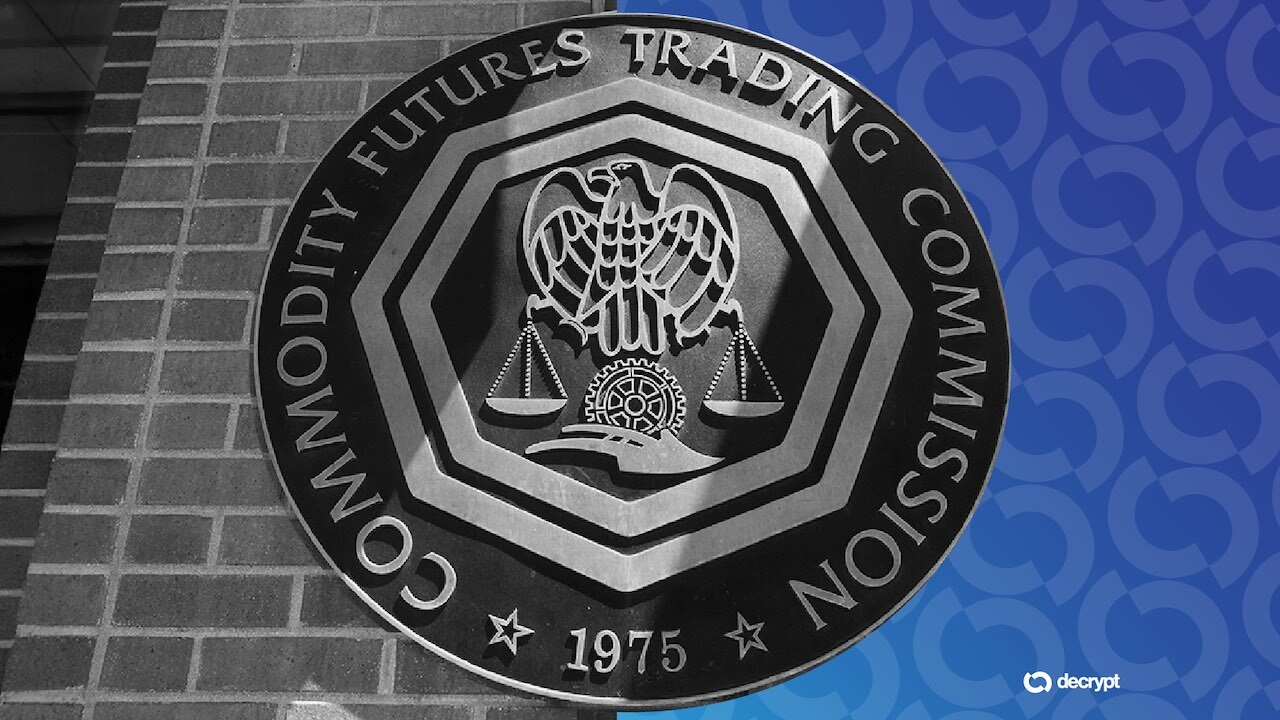
The CFTC is proposing new rules that would prohibit prediction markets from offering wagers on outcomes potentially influenced by war, assassination, or geopolitical conflict, even when such events aren't explicitly mentioned in contract terms. These restrictions could significantly limit the scope of geopolitical prediction markets, raising questions about regulatory overreach and market functionality.
The CFTC's proposed rules represent a significant regulatory intervention into prediction market design, attempting to preemptively ban contracts whose outcomes could theoretically be affected by violence or conflict. This approach goes beyond traditional market oversight by restricting entire categories of predictions based on hypothetical scenarios rather than explicit contract language. The motivation appears rooted in concerns about markets creating perverse incentives for harmful outcomes, though the broad language could capture legitimate geopolitical forecasting.
Prediction markets have grown as interest increases in decentralized forecasting platforms and blockchain-based derivatives. Regulators globally are still calibrating their approach to these markets, balancing innovation with consumer protection. The CFTC's stance reflects heightened scrutiny following high-profile prediction market contracts on sensitive topics, though the agency hasn't clearly articulated how markets should distinguish between forecasting legitimate geopolitical events and problematic incentive structures.
For the crypto and prediction market sectors, these rules create uncertainty around which geopolitical predictions remain permissible. Platforms operating in US jurisdictions face compliance challenges, as the broad language could require sophisticated contract design to navigate restrictions. International platforms may face competitive advantages if US operators become constrained. This regulatory clarity, while potentially protecting against extreme cases, could chill legitimate forecasting activities and reduce market liquidity for geopolitical risk assessment—a function prediction markets serve for institutions and analysts.
Stakeholders should monitor the comment period and final rule language to understand enforcement priorities and precedent-setting implications for future restrictions.
- →CFTC proposes banning prediction market contracts where outcomes could be impacted by war or assassination, regardless of explicit contract terms.
- →The broad regulatory language may restrict legitimate geopolitical forecasting and create compliance uncertainty for US-based platforms.
- →Restrictions could drive prediction market activity to offshore or decentralized platforms outside CFTC jurisdiction.
- →Rules reflect growing regulatory scrutiny of prediction markets but lack clear enforcement benchmarks for distinguishing harmful from legitimate forecasting.
- →Market liquidity for geopolitical risk assessment could decline if platforms face significant operational constraints.