
Chainalysis reports 47% of crypto firms meet strict compliance standards in 2026
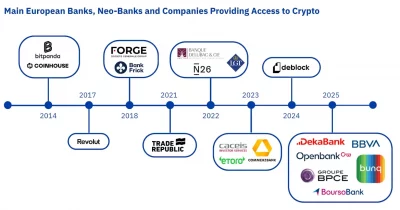
Chainalysis reports that 47% of cryptocurrency firms now meet strict compliance standards as of 2026, reflecting industry maturation. However, significant gaps remain between crypto and traditional finance compliance practices, indicating ongoing regulatory challenges the sector must address.
The Chainalysis compliance report marks a pivotal moment in cryptocurrency's regulatory evolution, with nearly half of crypto firms achieving strict compliance standards. This milestone demonstrates that the industry is moving beyond its early-stage regulatory skepticism toward institutional legitimacy. The 47% figure represents meaningful progress, yet simultaneously underscores a critical reality: the majority of firms still fall short of stringent compliance requirements.
This development emerges from years of regulatory pressure, enforcement actions, and industry self-regulation efforts. Major exchanges and custodians have invested heavily in compliance infrastructure, including Know Your Customer (KYC) protocols, anti-money laundering (AML) systems, and transaction monitoring. Smaller platforms and decentralized protocols, however, lag behind, creating a bifurcated landscape where compliance varies dramatically across the ecosystem.
For investors and institutions, this data validates the regulatory pathway many institutional players have pursued. Compliant platforms represent reduced counterparty risk and regulatory exposure. Conversely, the compliance gap creates arbitrage opportunities and regulatory vulnerabilities that could trigger enforcement actions against non-compliant firms.
Looking forward, the trajectory toward broader compliance appears inevitable but uneven. Regulatory frameworks will likely tighten, pushing the compliance percentage higher while potentially consolidating market share toward larger, well-resourced firms. The persistent gap with traditional finance suggests crypto compliance standards may eventually converge with legacy financial regulations, though timeline and implementation details remain uncertain. Stakeholders should monitor regulatory changes in major jurisdictions that could accelerate or impede this compliance convergence.
- →47% of crypto firms meet strict compliance standards, signaling industry maturation but revealing substantial remaining gaps
- →Larger exchanges lead compliance efforts while smaller platforms and decentralized protocols significantly lag behind
- →Institutional adoption likely accelerates as compliance improvements reduce counterparty and regulatory risks
- →Regulatory pressure will probably push compliance percentages higher while consolidating market share among larger firms
- →Crypto compliance standards remain materially different from traditional finance despite recent progress