
Chicago PMI surges to 62.7, demolishing forecasts and signaling manufacturing rebound
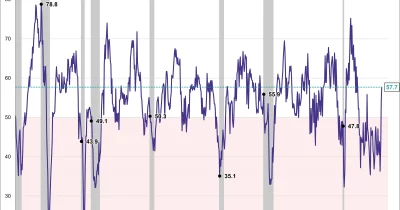
Chicago's Purchasing Managers' Index (PMI) surged to 62.7, significantly exceeding economist forecasts and indicating accelerating manufacturing activity. This unexpectedly strong reading suggests robust economic recovery in the industrial sector, which could influence Federal Reserve policy decisions and reshape national economic growth projections.
The Chicago PMI reading of 62.7 represents a substantial beat above consensus expectations, signaling considerable momentum in manufacturing activity. PMI readings above 50 indicate expansion, and this level reflects one of the strongest performances in recent quarters, suggesting manufacturers are experiencing genuine demand acceleration rather than temporary inventory adjustments. The magnitude of this beat matters because it challenges narratives of economic slowdown and demonstrates resilience in traditionally sensitive sectors.
Manufacturing strength historically precedes broader economic health, serving as a leading indicator for employment, capital investment, and overall GDP growth. The Chicago region's performance could portend similar strength across other industrial hubs, particularly as supply chain normalization continues and business confidence improves. This data point arrives during a period of mixed economic signals, where labor markets have cooled but certain sectors remain robust.
For cryptocurrency and digital asset markets, stronger manufacturing and economic data typically supports higher growth expectations and potentially delays deflationary pressures. However, robust economic data also influences Federal Reserve policy—stronger growth may justify maintaining higher interest rates longer, which can pressure risk assets including crypto. Markets often interpret manufacturing strength as either bullish for risk appetite or hawkish depending on inflation implications.
Investors should monitor whether this PMI surge represents a genuine trend reversal or temporary volatility. Subsequent regional manufacturing surveys and national ISM data will provide confirmation. The Fed's interpretation of this data becomes critical, as stronger growth reduces urgency for rate cuts while persistent inflation would justify maintaining restrictive policy.
- →Chicago PMI at 62.7 decisively beats forecasts, indicating strong manufacturing expansion and economic momentum
- →Reading above 50 confirms manufacturing sector growth, serving as a leading indicator for broader economic health
- →Strong economic data may delay Federal Reserve rate cuts despite cooling labor markets
- →Manufacturing strength can initially benefit risk assets but depends on inflation trajectory and Fed interpretation
- →Follow-up regional surveys and national ISM data will confirm whether this represents sustained recovery or temporary strength