
China banks raise dollar deposit rates to curb yuan appreciation
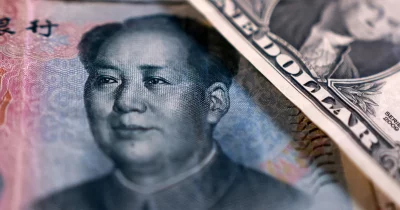
China's banks are raising dollar deposit rates to manage yuan appreciation pressures, a policy move that indirectly supports exporters while reshaping currency dynamics. This intervention reflects Beijing's effort to balance growth objectives with exchange rate stability in an increasingly complex macroeconomic environment.
China's banking sector is implementing higher dollar deposit rates as a monetary policy tool to counteract strengthening yuan pressures. By making dollar deposits more attractive relative to yuan holdings, banks create incentive structures that reduce demand for the domestic currency without direct central bank intervention. This approach allows policymakers to manage exchange rates through market mechanisms rather than explicit controls, maintaining the appearance of market-driven pricing while achieving policy objectives.
The yuan's appreciation poses challenges for Chinese exporters by making goods more expensive for foreign buyers and eroding competitiveness in price-sensitive markets. This is particularly significant given China's reliance on export-driven growth and ongoing economic slowdown concerns. The banking sector's coordinated response suggests tacit guidance from monetary authorities aiming to sustain export competitiveness without triggering international criticism of currency manipulation.
For investors and market participants, this signals China's prioritization of export-sector stability over currency strength. The move affects foreign exchange traders, multinational corporations with Chinese exposure, and cryptocurrency markets sensitive to yuan volatility. Chinese exporters benefit from reduced appreciation pressure, while those holding yuan or yuan-denominated assets face subtle depreciation incentives.
The strategy reflects Beijing's broader challenge of managing competing economic objectives: supporting growth, maintaining stability, and appearing to operate within international norms. Watch for whether other Asian central banks adopt similar approaches and whether sustained dollar rate differentials create capital flow shifts toward dollar assets or cryptocurrencies as alternative stores of value.
- →China's banks raised dollar deposit rates to indirectly reduce yuan appreciation and support export competitiveness.
- →This policy move represents a market-based alternative to direct central bank currency intervention.
- →The strategy prioritizes export-sector stability amid broader economic slowdown concerns.
- →Investors should monitor capital flows and currency dynamics for broader market implications.
- →Similar policies from other Asian economies could signal a regional trend in exchange rate management.