
China blocks US sanctions on refineries, impacting oil market dynamics
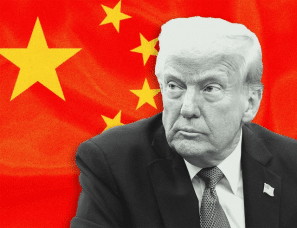
China has moved to block US sanctions targeting oil refineries, escalating geopolitical tensions and introducing new uncertainty into global energy markets. This action threatens to disrupt international supply chains and could have indirect effects on cryptocurrency markets through broader macroeconomic volatility.
China's intervention against US sanctions on refineries represents a significant escalation in US-China economic competition, signaling Beijing's willingness to directly challenge American sanctions regimes. This move demonstrates China's strategic commitment to protecting its energy infrastructure and maintaining access to refined petroleum products, which are critical for its economy. The action reflects broader tensions over energy security and industrial policy between the world's two largest economies.
The context for this development lies in the ongoing trade tensions and sanctions frameworks that have intensified over the past several years. China has increasingly sought to develop alternative supply chains and economic partnerships to reduce vulnerability to US sanctions. This particular action targeting refineries is particularly significant because petroleum refining capacity represents a chokepoint in global energy supply chains—disruptions here ripple across multiple sectors.
For investors and market participants, this escalation introduces new sources of macro volatility. Oil price fluctuations driven by geopolitical uncertainty can trigger broader market instability, including effects on risk assets like cryptocurrencies. Energy costs directly impact inflation and central bank policy decisions, which in turn influence liquidity conditions across global markets. Cryptocurrency investors should monitor oil price movements and geopolitical developments as leading indicators of broader market stress.
Looking ahead, watch for potential retaliatory measures from the US, statements from international partners regarding sanctions compliance, and any coordinated OPEC+ responses to market disruption. The durability of the US sanctions regime and China's ability to circumvent it through alternative partnerships will significantly influence long-term energy price stability and macroeconomic conditions affecting digital assets.
- →China's blocking of US sanctions on refineries signals direct economic confrontation and threatens global energy supply stability.
- →Oil market disruptions from geopolitical tensions can cascade into cryptocurrency volatility through macroeconomic channels.
- →Energy cost inflation resulting from sanctions conflicts affects central bank policy and broader asset valuations.
- →This development underscores growing bifurcation of global economic systems into competing spheres of influence.
- →Investors should monitor energy prices and US-China relations as leading indicators of macro volatility.