
China’s foreign minister calls for swift reopening of Strait of Hormuz for global trade
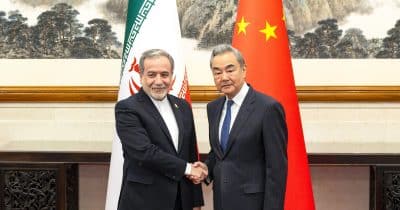
China's foreign minister is advocating for the swift reopening of the Strait of Hormuz, a critical global shipping chokepoint. The move aims to stabilize energy markets, reduce geopolitical risk premiums, and support energy sector valuations amid broader trade and supply chain concerns.
China's diplomatic push for Strait of Hormuz reopening reflects Beijing's strategic interest in maintaining stable global energy flows and reducing supply chain disruptions. The Strait of Hormuz remains one of the world's most critical maritime passages, with roughly one-third of seaborne oil passing through its narrow channel. Geopolitical tensions in the region have historically created volatility in energy markets, with risk premiums built into commodity prices whenever transit security comes into question.
The broader context involves ongoing regional tensions, sanction regimes, and competing interests among multiple powers. China, as a major energy importer, has substantial incentive to ensure uninterrupted access to Middle Eastern oil and liquefied natural gas. A stable corridor reduces uncertainty costs embedded in energy pricing and strengthens economic predictability across Asian markets.
For investors and market participants, normalized energy markets would likely benefit traditional energy stocks while reducing cost pressures on energy-dependent sectors. Lower energy price volatility tends to decrease overall market risk premiums and can support broader equity valuations. Cryptocurrency markets, particularly energy-intensive proof-of-work networks, could benefit from more stable and predictable energy costs.
Looking ahead, the effectiveness of this diplomatic initiative depends on whether regional actors cooperate and whether underlying geopolitical disputes can be meaningfully addressed. Market participants should monitor for progress in multilateral negotiations and any shifts in regional security dynamics that would signal genuine momentum toward implementation.
- →China's foreign minister is calling for Strait of Hormuz reopening to stabilize global energy markets and reduce geopolitical risk premiums.
- →The Strait of Hormuz is critical infrastructure handling approximately one-third of global seaborne oil trade.
- →Normalization of energy markets would reduce cost pressures on energy-dependent sectors and support energy stock valuations.
- →Energy-intensive industries including cryptocurrency mining could benefit from more stable, predictable energy pricing.
- →Success depends on regional cooperation and resolution of underlying geopolitical disputes in the Middle East.