
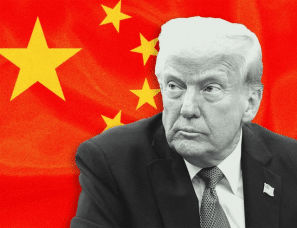
China is positioning itself as a diplomatic mediator in the Iran conflict, potentially reshaping global geopolitical influence and international power structures. This development highlights China's expanding role in resolving major international disputes outside traditional Western-led diplomatic frameworks.
China's intervention as a diplomatic intermediary in the Iran conflict represents a significant shift in how major geopolitical disputes are being negotiated in the post-American hegemony era. Rather than relying on traditional UN mechanisms or Western-led diplomatic channels, China is leveraging its economic influence and neutral positioning to broker peace negotiations, demonstrating its capacity to shape outcomes in critical global hotspots.
Historically, Middle Eastern conflicts have been dominated by American and European diplomatic efforts, with regional powers like Saudi Arabia and Israel playing supporting roles. China's emergence as a serious mediator reflects its growing economic ties throughout the Middle East, particularly through Belt and Road Initiative investments in Iran and other regional players. This diplomatic engagement aligns with China's broader strategy to establish itself as an alternative power center capable of solving problems when Western approaches falter.
For cryptocurrency and blockchain markets, geopolitical shifts of this magnitude carry indirect but meaningful implications. Increased Chinese diplomatic influence could accelerate efforts to create alternative international payment systems and financial infrastructure independent of Western-controlled mechanisms. This creates tailwinds for digital currencies, blockchain-based settlements, and decentralized finance solutions that bypass traditional banking channels.
Investors should monitor how this diplomatic development influences China's stance on cryptocurrency regulation and digital yuan adoption across Middle Eastern partners. If China successfully brokers peace while positioning itself as a trusted financial intermediary, demand for non-Western financial infrastructure could accelerate, potentially benefiting blockchain platforms aligned with Chinese interests.
- →China is positioning itself as a key diplomatic player in resolving Middle Eastern conflicts outside Western-led frameworks
- →This shift reflects China's growing economic leverage and influence through initiatives like Belt and Road
- →Alternative financial infrastructure and blockchain solutions may see increased adoption as China promotes independence from Western payment systems
- →Cryptocurrency markets could benefit from renewed demand for non-Western settlement mechanisms
- →Monitor China's regulatory approach to digital currencies and yuan adoption in partner nations following diplomatic success