
China eases rare earth restrictions, boosting odds of Trump visit by May 31
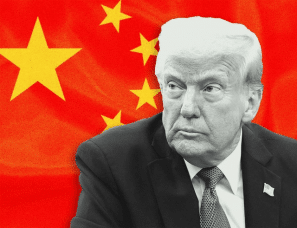
China has eased restrictions on rare earth exports, a move that signals potential improvement in U.S.-China relations and may increase the likelihood of diplomatic visits, including a possible Trump visit by May 31. This development could facilitate broader economic cooperation between the two nations.
China's decision to relax rare earth export restrictions represents a significant shift in trade policy that extends beyond commodity markets into geopolitical strategy. Rare earth elements are critical components in advanced technologies, from semiconductors to renewable energy systems, making their availability a leverage point in international negotiations. By easing these restrictions, China appears to be creating favorable conditions for diplomatic engagement, suggesting leadership is willing to reduce trade tensions.
Historically, rare earth restrictions have been weaponized during periods of heightened U.S.-China friction. Previous administrations used export controls as negotiating tools during trade disputes. The current relaxation indicates a deliberate effort to improve bilateral relations, likely motivated by economic pressures on China's export-dependent sectors and recognition that continued tensions are mutually damaging.
For markets, eased rare earth availability could stabilize prices for technology manufacturers and reduce supply chain risk premiums currently priced into semiconductor and renewable energy stocks. Cryptocurrency markets may respond positively if improved geopolitical relations reduce regulatory uncertainty, particularly for blockchain projects operating in both jurisdictions. Reduced trade tensions could also support broader risk appetite in financial markets.
Investors should monitor whether this policy reversal translates into concrete diplomatic meetings and trade agreements. The May 31 timeline provides a clear marker for evaluating whether these signals materialize into substantive negotiations. Any formal trade deal would likely strengthen both equities and risk assets, while failed negotiations could trigger swift reversals in market sentiment.
- →China's rare earth export restrictions ease, signaling intent to improve U.S.-China diplomatic relations
- →Relaxed supply controls could stabilize prices for semiconductor and clean energy technology manufacturers
- →Reduced geopolitical tension may lower regulatory risk premiums affecting cryptocurrency and blockchain sectors
- →May 31 deadline provides crucial timeline for assessing whether policy changes lead to formal agreements
- →Improved bilateral relations could strengthen broader risk asset markets and emerging market exposure