
Xi Jinping urges China to boost demand amid economic challenges
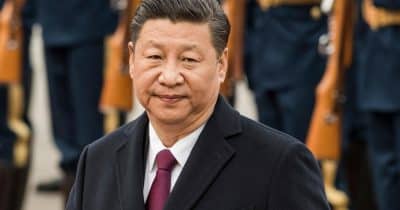
China's President Xi Jinping is pushing for structural economic reforms and international cooperation to boost domestic demand as the country faces economic headwinds. This policy shift toward demand-side stimulus rather than supply-side measures could have significant implications for global trade dynamics, commodity markets, and investment strategies across sectors including cryptocurrency.
Xi Jinping's emphasis on boosting demand signals a strategic pivot in China's economic approach during a period of slower growth and deflationary pressures. Rather than relying solely on infrastructure spending or monetary stimulus, the focus on structural reforms suggests policymakers recognize deeper structural issues within the Chinese economy—including weak consumer confidence, youth unemployment, and aging demographics. This demand-focused strategy could involve measures like increased social spending, tax reforms, or consumption incentives designed to strengthen household purchasing power.
Historically, China's economic challenges have rippled through global markets due to its role as both a major consumer of commodities and a manufacturing hub. When China faces growth slowdowns, demand for raw materials declines, affecting energy and metal prices globally. Additionally, China's policy decisions influence capital flows, foreign direct investment patterns, and the strength of the yuan—all factors that affect international financial markets and risk asset valuations including cryptocurrencies.
For investors and market participants, this development warrants attention to Chinese economic data releases and policy implementations over the coming quarters. If structural reforms successfully stimulate domestic demand, it could support global growth and reduce deflationary pressures. However, if stimulus measures prove ineffective, it may signal deeper economic vulnerabilities. Cryptocurrency investors should monitor how Chinese policy shifts affect broader risk sentiment, capital flows, and central bank liquidity conditions, as these macro factors significantly influence digital asset valuations.
- →China is shifting toward demand-focused stimulus rather than traditional supply-side infrastructure spending
- →Structural economic reforms may reshape global trade patterns and commodity demand
- →Successful stimulus could support global growth; failure may signal deeper economic concerns
- →Policy decisions will influence capital flows and risk asset valuations including cryptocurrencies
- →Investors should monitor Chinese economic data and implementation of announced reforms