
China’s April PPI rises 2.8%, CPI increases 1.2% year-on-year, ending three-year deflation streak
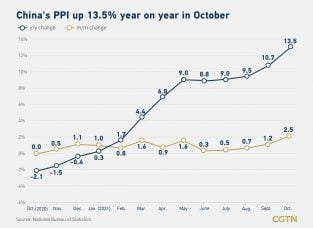
China's April inflation data shows PPI rising 2.8% and CPI increasing 1.2% year-on-year, marking the end of a three-year deflation period. This development constrains Beijing's monetary easing options and may cause its economic policy to diverge from the US Federal Reserve's approach, with potential implications for global markets and cryptocurrency volatility.
China's inflation rebound represents a significant shift in its macroeconomic trajectory after years of deflationary pressure. The 2.8% Producer Price Index increase and 1.2% Consumer Price Index rise signal renewed pricing power across the economy, suggesting demand recovery and potential cost-push pressures that could limit the People's Bank of China's ability to pursue aggressive stimulus measures.
The three-year deflation streak ending creates a critical policy inflection point. Throughout the pandemic and post-pandemic period, China struggled with weak domestic demand and falling prices, which constrained household and corporate spending through expectations of further declines. This persistent deflation forced policymakers to rely on credit expansion and infrastructure spending rather than monetary stimulus. Rising inflation now removes this policy tool, forcing Beijing toward more targeted interventions.
For cryptocurrency and global markets, China's policy divergence from the US carries substantial weight. While the Federal Reserve maintains higher rates and restrictive policy, China faces conflicting pressures: tighter monetary conditions could support the yuan but would slow growth, whereas continued stimulus risks importing inflation. This divergence creates currency volatility and shifts capital flows globally. Crypto markets, particularly those sensitive to Chinese regulatory sentiment and yuan liquidity, may experience increased volatility as Beijing recalibrates its stance.
Investors should monitor whether China responds with rate hikes, reserve requirement ratio cuts, or targeted credit policies. The PBOC's messaging in coming months will indicate whether policymakers view this inflation as transitory or structural, fundamentally shaping expectations for Chinese growth, currency strength, and cross-border capital flows.
- →China's inflation data ends three-year deflation streak, constraining monetary easing options for the PBOC
- →Policy divergence between China and the US creates complex macroeconomic dynamics affecting global capital flows
- →Higher PPI and CPI suggest demand recovery but increase stagflation risks if coupled with weak growth
- →Cryptocurrency markets face increased volatility from potential shifts in Chinese monetary policy and yuan liquidity
- →PBOC's policy response in coming months will determine impact on growth, currency strength, and cross-border investment