
China’s support for Iran dims prospects of Trump visit by April 30
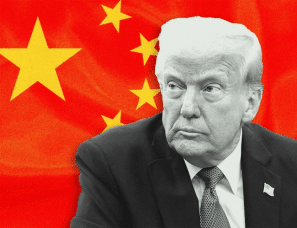
China's diplomatic support for Iran is complicating US-Iran relations and potentially delaying a planned Trump visit by April 30. The geopolitical tension between the US, China, and Iran creates uncertainty in international relations that could have downstream effects on global markets and cryptocurrency trading patterns.
China's strengthening alignment with Iran represents a significant shift in Middle Eastern geopolitics with potential ripple effects across global markets. The deterioration of diplomatic prospects for a Trump visit signals escalating tensions in the US-China-Iran triangle, a dynamic that historically correlates with increased market volatility and risk-off sentiment among investors seeking safe-haven assets.
This situation emerges against a backdrop of deepening US-China strategic competition and Iran's increasing isolation from Western markets. China's support for Iran strengthens a counter-US bloc in Asia and the Middle East, reducing the likelihood of near-term diplomatic breakthroughs. The delayed Trump visit suggests extended periods of diplomatic uncertainty rather than resolution, which typically pressures risk assets and strengthens demand for defensive positions.
For cryptocurrency and broader financial markets, geopolitical tensions of this magnitude historically trigger flight-to-safety behavior. Bitcoin and gold often benefit from such instability, while equity markets and emerging market assets face headwinds. The uncertainty surrounding US-China relations carries particular weight given the importance of bilateral trade and technology cooperation to both economies and global supply chains.
Investors should monitor developments in US-Iran sanctions policy, Chinese economic support packages to Iran, and statements from Trump regarding diplomatic timelines. Any escalation toward military confrontation would significantly accelerate risk-off positioning. The timeframe of April 30 provides a specific marker for diplomatic progress or failure, making it a key date for market participants to track.
- →China's backing of Iran complicates Trump administration diplomatic efforts and extends uncertainty in US-Iran relations
- →Geopolitical tensions typically trigger flight-to-safety behavior benefiting defensive assets like Bitcoin and gold
- →Delayed diplomatic breakthroughs increase likelihood of prolonged market volatility and risk-off sentiment
- →The April 30 deadline serves as a key marker for assessing success or failure of diplomatic initiatives
- →Cryptocurrency markets may experience volatility depending on escalation or de-escalation signals from the US-China-Iran dynamic