
China set to dominate nuclear energy as US struggles with costly delays
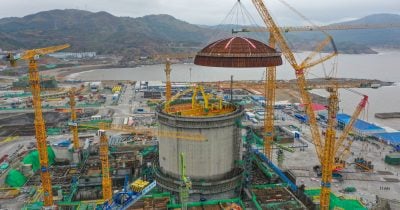
China is accelerating its nuclear energy expansion to power its technology sector, while the US faces significant delays and cost overruns in nuclear projects. This energy infrastructure gap could reshape the global competitive landscape in energy-intensive industries like cryptocurrency and AI.
China's nuclear energy expansion represents a strategic infrastructure play with far-reaching implications for global technology competition. By securing stable, low-carbon baseload power, China strengthens its competitive position in energy-intensive sectors including cryptocurrency mining, data centers, and AI development. The US nuclear sector's struggles with project delays and escalating costs create a widening energy security gap between the two nations.
Historically, the US led in nuclear technology development, but regulatory complexity, construction delays, and rising capital costs have stalled new reactor projects. China, operating under a centralized planning system, has accelerated reactor deployment and standardized construction processes, enabling faster project completion. This divergence reflects broader infrastructure competitiveness trends favoring coordinated state-level planning over decentralized market approaches.
For the cryptocurrency and AI industries, energy costs directly impact profitability and operational viability. Cheaper, abundant nuclear power gives China's tech sector a structural advantage in running computationally intensive operations. US-based cryptocurrency miners, AI training facilities, and data centers face higher operational expenses, potentially shifting hash rate distribution and AI development capacity toward Chinese jurisdictions with superior energy economics.
Looking ahead, watch for strategic energy partnerships between China and developing nations seeking nuclear technology. Monitor whether the US accelerates regulatory reforms or public investment in nuclear projects to close the competitiveness gap. Energy costs will increasingly determine where crypto mining and AI infrastructure concentrate globally, making this nuclear race a proxy competition for technological dominance.
- →China's nuclear expansion provides cheaper, stable power for energy-intensive tech operations like cryptocurrency mining and AI.
- →US nuclear projects face mounting delays and costs, creating an energy infrastructure disadvantage versus China.
- →Lower energy costs directly improve profit margins for cryptocurrency miners and data center operators in China.
- →The nuclear energy gap may accelerate migration of crypto mining and AI compute capacity toward Asia.
- →Geopolitical competition over energy infrastructure will shape long-term competitiveness in crypto and AI sectors.