
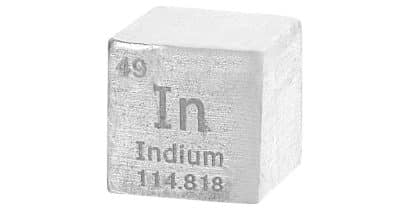
China has implemented stricter export controls on indium, a critical material used in semiconductor manufacturing and AI infrastructure. This move reflects geopolitical tensions over technology supply chains and could force global tech companies to diversify sourcing or accelerate domestic production alternatives.
China's decision to tighten indium export scrutiny represents a significant escalation in supply chain weaponization amid the global AI race. Indium, primarily used in transparent conductive coatings for displays and semiconductor applications, has become strategically important as AI infrastructure demands surge. China controls approximately 60% of global indium production, giving it substantial leverage over the tech sector's expansion plans.
This action follows a broader pattern of Chinese export restrictions on critical materials including rare earth elements and gallium. The timing coincides with accelerating AI adoption worldwide, where data centers and high-performance computing systems require advanced semiconductors. By restricting indium exports, China signals its willingness to use material dependencies as geopolitical leverage during an era of intensifying US-China technological competition.
The market implications are substantial. Companies reliant on Chinese indium face either higher procurement costs, supply uncertainty, or forced investment in alternative materials and production methods. Semiconductor manufacturers and AI infrastructure providers will likely prioritize securing long-term indium contracts or exploring substitutes. This could create investment opportunities in non-Chinese indium producers or companies developing indium-free technologies.
Looking ahead, expect accelerated efforts by Western governments to establish alternative supply chains through domestic mining or recycling programs. The restriction may also trigger similar moves by China on other critical materials, potentially disrupting AI hardware development timelines. Companies and investors should monitor regulatory announcements from both Chinese customs authorities and Western governments seeking to counteract these restrictions through policy interventions or supply chain diversification incentives.
- →China controls ~60% of global indium production, making export restrictions a potent geopolitical tool amid AI competition.
- →Stricter indium checks will increase costs and complexity for semiconductor and AI infrastructure manufacturers globally.
- →Supply chain disruptions may accelerate investment in non-Chinese indium sources and alternative materials development.
- →This move fits China's broader strategy of using critical material exports as leverage in US-China technological competition.
- →Western governments and tech companies will likely pursue domestic production, stockpiling, and substitution strategies in response.