
China urges continuation of Iran ceasefire amid stalled negotiations
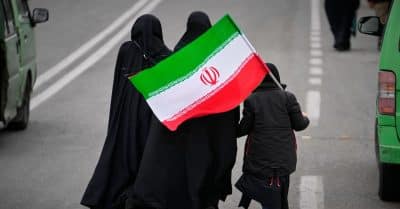
China is actively pushing for the continuation of a ceasefire between Iran and other regional parties amid stalled diplomatic negotiations. This diplomatic intervention reflects China's growing geopolitical influence and its strategic interest in stabilizing the Middle East, which has direct implications for global market stability and energy security.
China's diplomatic intervention in the Iran ceasefire negotiations underscores its expanding role as a stabilizing force in Middle Eastern affairs. By publicly urging the continuation of ceasefire efforts, Beijing signals its commitment to regional de-escalation and positions itself as a counterweight to Western influence in one of the world's most geopolitically sensitive regions.
This development emerges against a backdrop of decades-long tensions in the Middle East, compounded by recent conflicts and fragile diplomatic channels. China's involvement reflects its broader strategy of establishing economic and political partnerships across Asia and the Middle East, particularly as it seeks to secure energy supplies and maintain trade routes critical to its economy.
For global markets, geopolitical stability in the Middle East directly impacts energy prices, which ripple through macroeconomic conditions affecting risk assets including cryptocurrencies. Reduced tensions typically lower oil price volatility and risk premiums, potentially creating favorable conditions for growth-oriented assets and reducing safe-haven demand for defensive positions.
Looking ahead, investors should monitor whether China's diplomatic push gains traction and whether stalled negotiations resume. The efficacy of Chinese mediation could reshape regional power dynamics and influence energy market trajectories. Additionally, sustained instability would likely maintain elevated crude prices and volatility, potentially constraining monetary policy easing and dampening risk appetite across crypto and equity markets.
- →China is actively mediating Iran ceasefire negotiations, expanding its geopolitical influence in the Middle East.
- →Regional stability directly impacts global energy prices and macroeconomic conditions affecting crypto markets.
- →Successful de-escalation could reduce oil volatility and create favorable conditions for risk assets.
- →Continued tensions would maintain elevated energy prices and constrain monetary policy flexibility.
- →Watch for progress in negotiations as a leading indicator for broader market sentiment and risk appetite.